
The global film industry is on alert as Netflix continues its pursuit of Warner Bros. Discovery in what could become one of the most consequential acquisitions in Hollywood history. Game of Thrones, DC, Harry Porter and HBO’s prestige slate could all lie in the hands of Netflix, which may mark it as a film omni-giant. But for independent creatives, especially those outside traditional power centres and a little less funded than the rest, the deal sparks both hope and unease. Founder of Artlas Studios and Saint Lucian filmmaker Elijah Anatole believes the outcome could redefine the future of indie cinema.
In an interview with St. Lucia Times, Anatole shared his insights as not only an observer of the shifting media landscape but also a filmmaker in active negotiations with Netflix. His latest completed project Heartfall is currently under consideration by the streaming giant. He tells us that he has been making the necessary refinements requested by Netflix in hopes of securing a place for the film on the platform.

Before our interview began, Anatole clarified what to call him. Founder of Artlas Studios, director or filmmaker. He wears all three titles proudly.
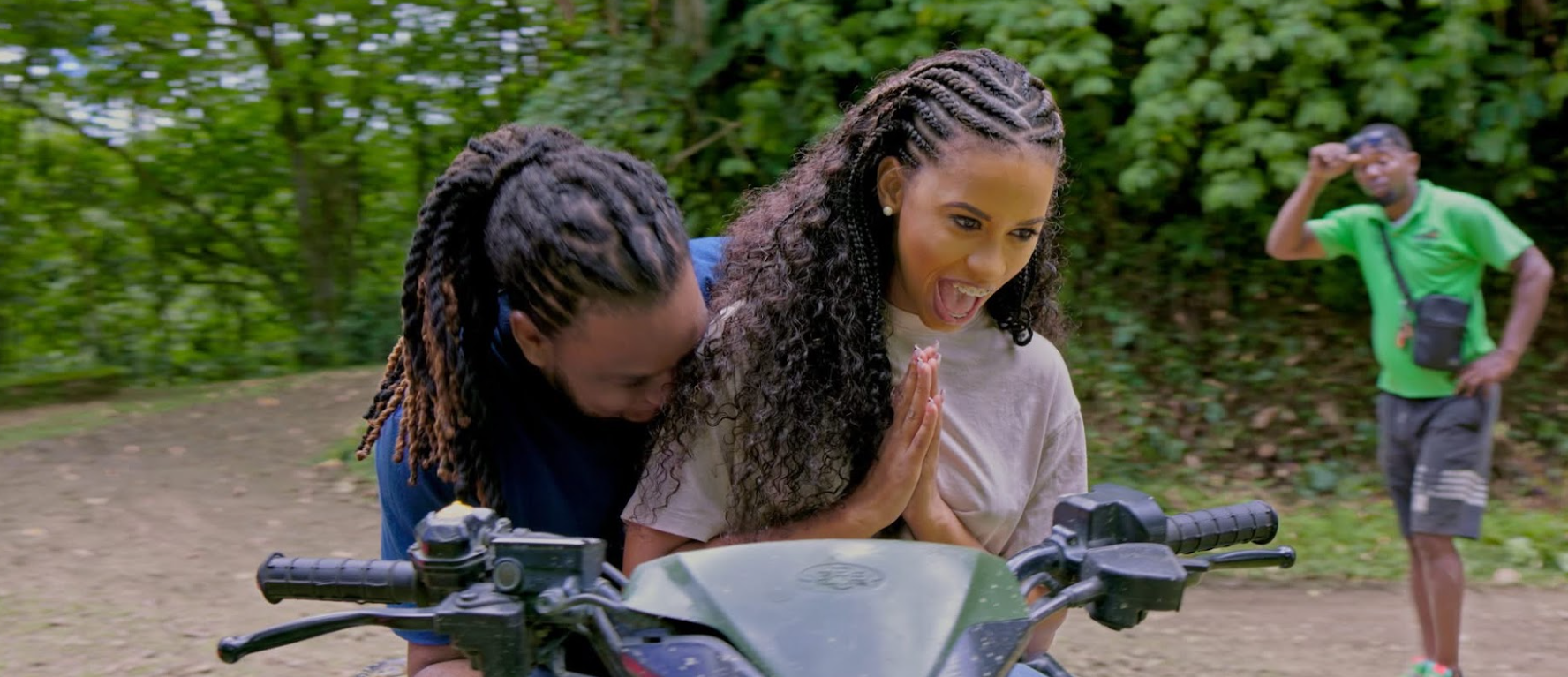
We began by examining what opportunities Netflix’s acquisition of Warner Bros. Discovery could present.
“People are really watching what is happening with that deal,” he said. “Now Paramount is in the mix. They outbid Netflix with a hostile takeover attempt at 108 billion. That is one hurdle. Then Netflix needs approval from the Justice Department, and they are very big on anything that looks like a monopoly. And then there is politics. Donald Trump is friendly with some of the Paramount owners, so he might favour them. Nothing is set in stone.”
Still, if Netflix succeeds in acquiring Warner Bros. Discovery and its subsidiaries, Anatole sees clear advantages for small creators.
“It would signal a shift in how content is developed, owned and distributed globally. Netflix already gives independent filmmakers an avenue to showcase their films. Traditionally it was almost impossible for filmmakers like me to even get a hearing from giants like Warner or Paramount. So Netflix owning Warner Bros. could actually be a huge plus for filmmakers in this region and across the world.”
He pointed to the rise of African cinema and other international films on Netflix as proof of the platform’s willingness to elevate global voices. The merger, he believes, might deepen those opportunities.
“Instead of platforms competing in isolation, we might see strategic partnerships between Netflix and small companies like my own. As long as our films meet their criteria and quality, Netflix gives us the platform.”
But with every upside comes a caveat.
“The downside is that monopolies are never easy,” he said. “Prices could go up. And if Netflix gains full control of the market, they could start squeezing independent filmmakers. You might not get a good deal, but you have no one else to turn to. What they offer is what you have to take. That is the danger if they control everything.”
Our conversation shifted to whether the acquisition could create new talent pipelines, labs or programmes for emerging filmmakers. Anatole did not think so.
“Streaming giants care about the final product. They want content that brings in money and subscribers. They are not in the business of giving handouts or helping you develop. You have to bring the work to them.”
He believes the competition will stiffen because Netflix would suddenly have access to the massive Warner Bros. library, including franchises like DC and series such as Game of Thrones.
“They are going to focus on developing the content they spent so much money on. That means independent filmmakers will have to work even harder. You will have to raise your own bar and compete with all the projects coming out of Warner Bros.”
Looking ahead five years, Anatole predicts Netflix will lead the global entertainment market and push the boundaries of how audiences consume film.
“They were a laughing stock in 1997 when they started with online rentals. But they became the founders of streaming and now they are the largest streaming service in the world. I think they want to take things into the future.”
He sees a world where cinema as we know it could fade.
“Movie theatres may be something of the past. Even flat screens may be something of the past. People might be watching films through goggles or glasses. COVID-19 changed moviegoing forever. Apart from Top Gun: Maverick and Avatar, nothing has crossed a billion. People just are not returning to theatres in the same way.”
For Elijah, the story of cinema has always been tied to technology, from the introduction of television to widescreen lenses to surround sound and 3D. Each innovation once pulled audiences back into theatres but today the home offers nearly the same experience.
“There is nothing filmmakers can do now to make cinemas special enough to bring people back. Netflix sees that. They are planning for that future.”
Above all, though, Anatole is hopeful that the merger (if it happens), will open creative doors while motivating filmmakers to level up their game in an increasingly competitive arena.
And personally, he holds one wish close.
“I am a huge Zack Snyder fan. I hope Netflix listens to the Snyderverse fans and brings it back. Let the Snyder universe and the James Gunn universe run parallel. That is what I want to see.”
Whether Netflix secures Warner Bros. Discovery or not, Independent filmmakers, including Elijah Anatole, are no longer looking on from the sidelines. They are part of a global industry in transition and are working relentlessly to claim their space in the future of film. Anatole is now in the final stages of completing his new film OMYRA, which has already been selected for the Chandler Film Festival in 2026.