US forces boarded and seized the tanker Veronica in the Caribbean, heightening pressure on Venezuela’s shadow-fleet oil networks and adding uncertainty for crude markets.
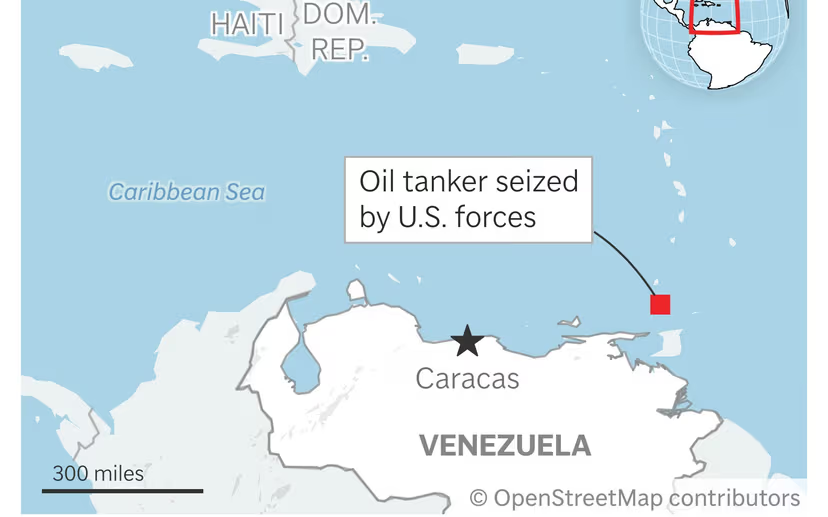
US Southern Command and the US Coast Guard said tactical teams boarded and seized a tanker identified as the Veronica in the Caribbean Sea on January 16. Marines and sailors launched from the aircraft carrier USS Gerald R Ford accompanied a Coast Guard tactical boarding team, and US agencies described the operation as carried out without incident. Video released by authorities showed forces fast-roping onto the tanker’s deck.
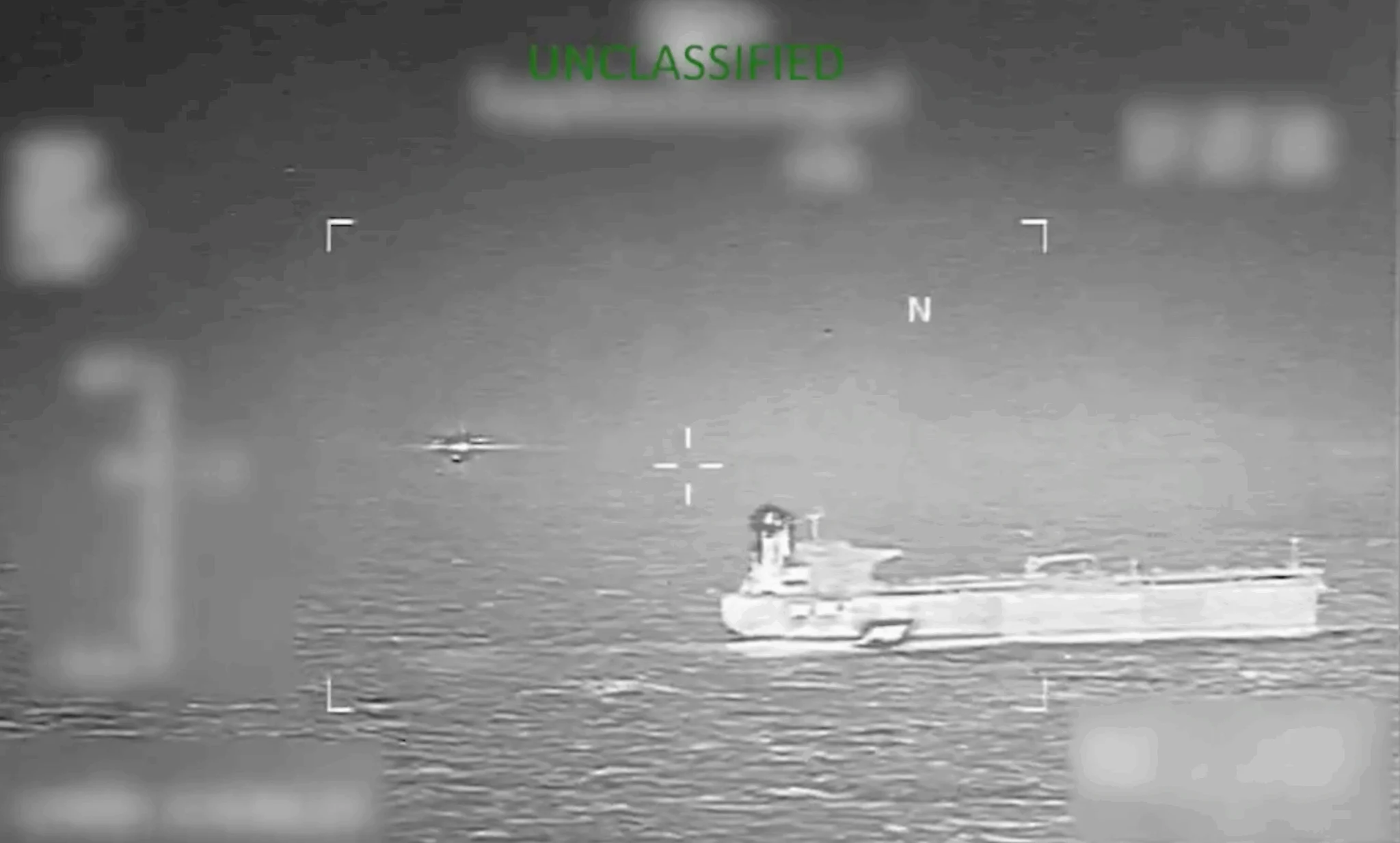
Homeland Security Secretary Kristi Noem publicised the action on social media, and US statements emphasised the interdiction was part of an intensified campaign to enforce sanctions and deny safe harbor to vessels moving Venezuelan crude in defiance of restrictions. Officials framed the operation as the latest in a series of interdictions targeting a so-called shadow fleet that maritime observers say conceals cargo destinations and obscures ownership chains.
Open ship-tracking transmissions show the vessel last reported an automated position on January 3, while at anchor off Aruba and was partially laden with crude. Maritime registry data and open reporting present inconsistent flag and identity records for vessels operating in this trade, and the Veronica’s flag status was disputed in public accounts. Separate US enforcement actions earlier in January removed the Aframax tanker Olina from service; that ship appears in maritime records under previous names and a different flag in some registries, and US sanctions had been applied to it under an earlier name in late 2025.
US officials and public reporting indicate the Veronica case is at least the sixth interdiction of a sanctioned or suspect tanker since December 2025. Legal authorities have taken custody of the vessel and crews, and press accounts note US agencies have warned that seized crews could face prosecution. At the time of reporting, specific criminal charges and the ultimate disposition of cargo and crew had not been publicly detailed.
The interdictions have immediate commercial implications. Industry monitors and ship-tracking firms report a measurable deterrent effect on shadow-fleet operations out of Venezuela, with fewer clearly visible loadings and more circuitous routing of tankers. That opacity raises transaction risk for buyers and shippers and tends to push up insurance premiums, charter rates, and the cost of arranging clandestine transfers. For a country that in recent years has relied on nontransparent maritime networks to move crude to distant buyers, tighter enforcement narrows available channels for monetisation.
The enforcement campaign sits against a fraught geopolitical backdrop. US officials assert the measures aim to compel lawful commercial access to Venezuela’s petroleum reserves and to cut off channels used to evade sanctions. Moscow has publicly criticised prior interdictions as violations of maritime norms, and broader diplomatic tensions risk complicating cooperative enforcement at sea.
Longer term, sustained interdictions and legal actions could hasten changes already visible in the tanker market: increased use of flags of convenience, frequent ship renamings, and the growth of intermediary trading hubs. Those adaptations raise costs and legal friction for purchasers of Venezuelan crude and may depress government revenue in Caracas by constraining buyers and reducing realised prices. For global markets, the immediate supply effect is limited while Venezuela’s production remains below its historical peak, but persistent enforcement would add a new layer of volatility to an already complex oil market. (Prism News)