Earlier this week, Director of the Saint Lucia Meteorological Services, Vigil Saltibus, warned that reduced rainfall and increased temperatures are expected over the coming months.
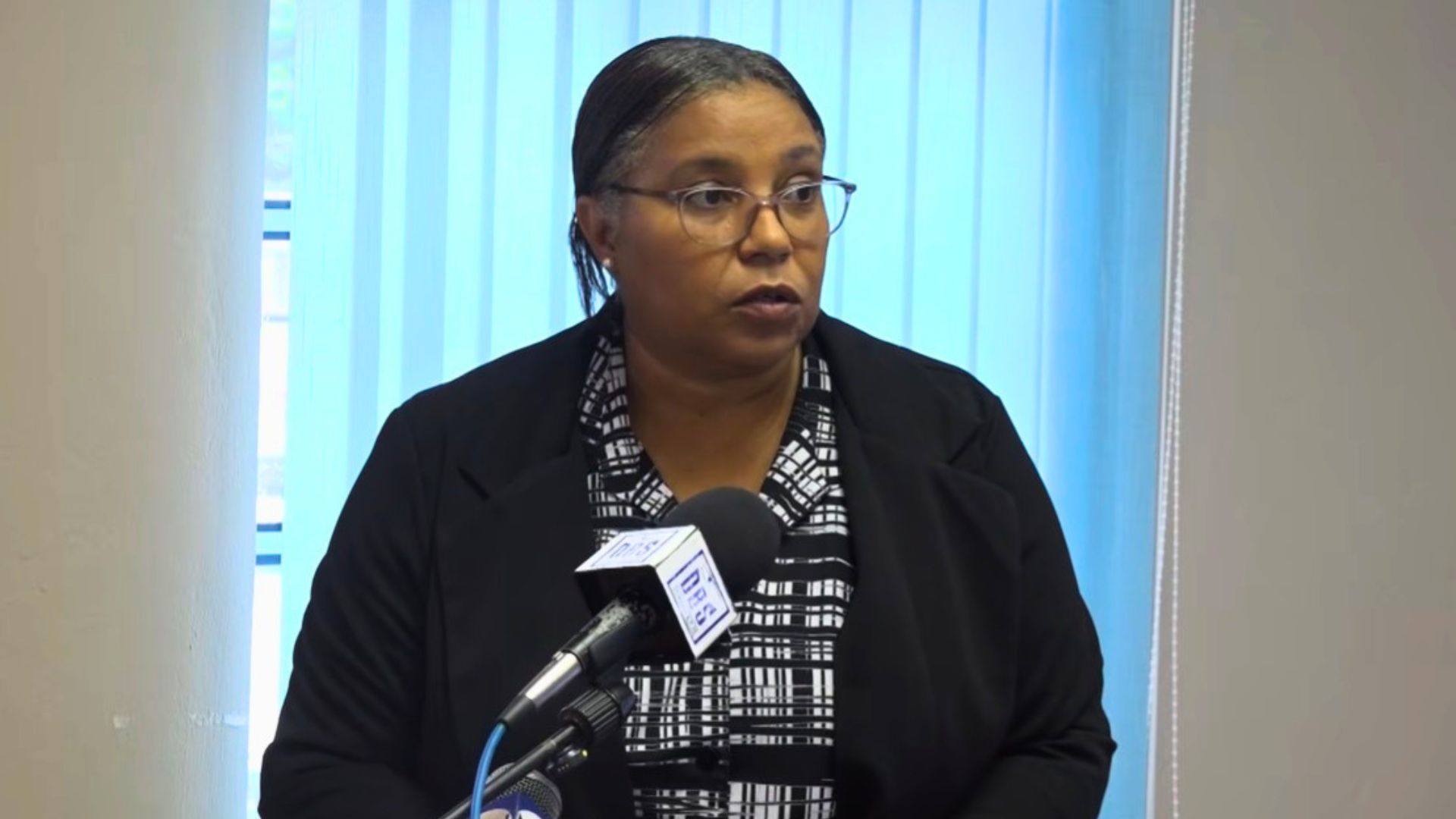
Saltibus, who spoke during the Water and Sewerage Company’s (WASCO) press conference on Wednesday at the National Workers Union Conference Room, said the shift in the weather is due, in part, to El Niño, a natural weather pattern in which the water on the surface of the eastern and central Pacific Ocean becomes warmer than usual.
“El Niño tends to suppress rainfall activity during the wet season, and, when El Niño is mentioned, it’s usually associated with global temperatures being warmer than usual,” Saltibus stated, noting that meteorologists are continuing to monitor weather patterns and that, although risk is reduced, conditions that lead to flooding can still occur.
“Any instability in the atmosphere, the strength of the instability and sufficient moisture can lead to localised flooding events,” Saltibus said, highlighting a need for caution in the event of tropical waves, tropical storms and upper-level troughs.
El Niño weather patterns are known to last nine to twelve months on average and occur every two to seven years. However, despite Saint Lucia being in the middle of the wet season, which runs from June to November, Saltibus said drought and peak heat conditions are forecast between September and November – a period that also coincides with the height of the Atlantic hurricane season.
“We expect a near-normal to below-normal hurricane season this year,” Saltibus said.
The hurricane season runs from June 1 to November 30.
Meteorologists predict that there will be eight to fourteen named storms, three to six hurricanes, and one to three major hurricanes.
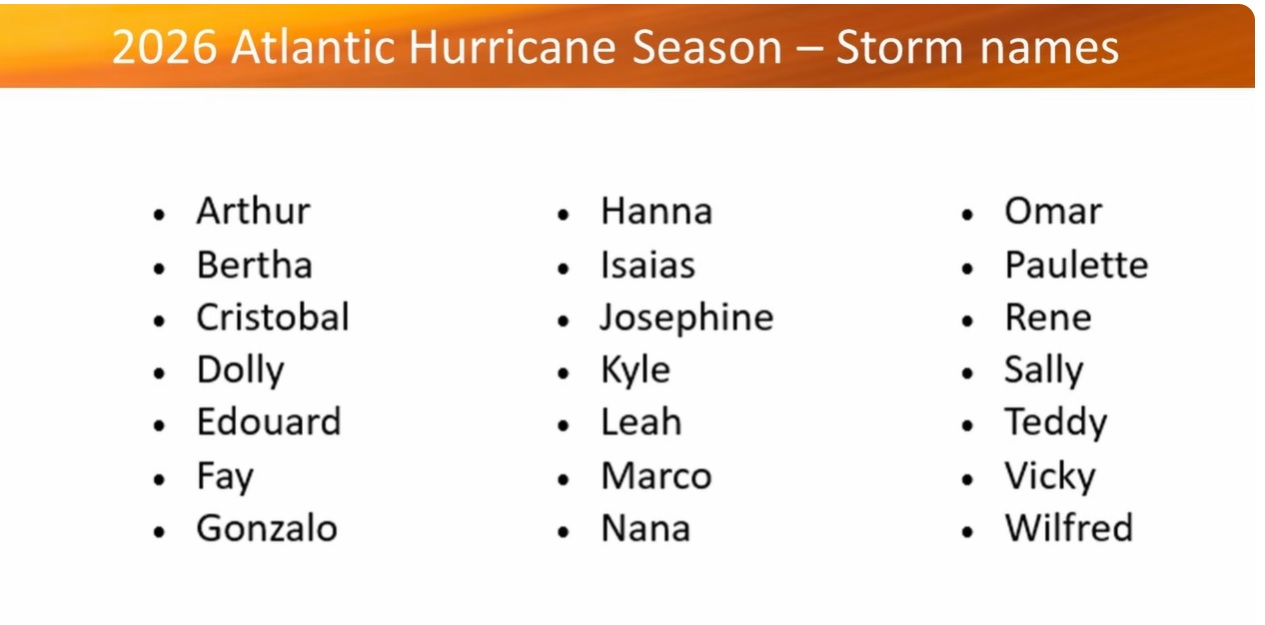
Two named storms, Arthur and Bertha, have already passed.
In light of El Niño and general weather predictions over the coming months, Saltibus and WASCO officials say preparedness and water conservation remain critical for Saint Lucia.