
For many Saint Lucians, university offers a chance to uplift entire families. But for some, the cost of higher education often puts that dream out of reach.
To change that, the Government of Saint Lucia launched the First Generation Scholarship Programme in partnership with Monroe University Campus. The initiative targets households where no one has previously attended university, forming part of the broader “One University Graduate per Household” policy.
Until now, however, recipients faced a major hurdle: they had to provide a financial guarantee before accepting the award.
That changed last week.
Speaking at the Pre-Cabinet Press Briefing on October 27, Prime Minister Philip J. Pierre announced that his administration had decided to remove the financial guarantee requirement for scholarship recipients, describing it as an unnecessary burden on families already struggling to afford tuition.
“If a family cannot afford to send not one of their members to university, it follows that they don’t have the financial means,” Pierre said. “How can you ask them for a financial guarantee? So you’re not targeting the people you need to target if you ask them for a financial guarantee.”
Instead, students will now provide a character reference and commit to working after graduation, ensuring the investment benefits both them and the country.
Pierre said the reform will make an immediate difference for young people from low-income backgrounds. “That’s going to help many, many students from low-income families who would not be able to get this guarantee,” he said.
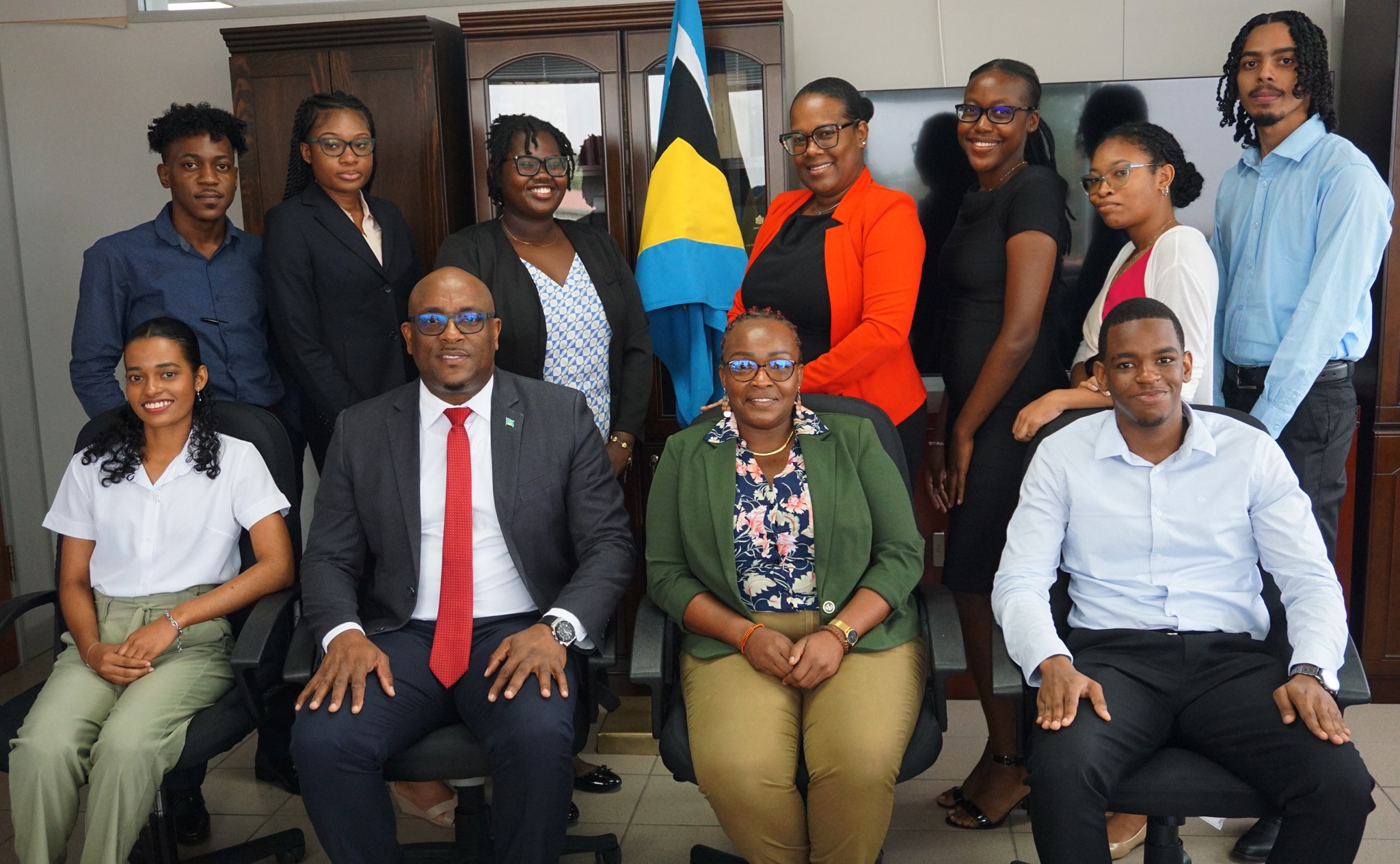
St. Lucia Times has learned that the change will likely take effect in 2026, meaning the 75 students awarded this year will still be subject to the previous conditions. But the impact of the scholarship programme is already being felt. For many recipients – such as 19-year-old Jeremie Lewis of Grass Street, Castries – it’s been nothing short of life-changing.
“Considering I didn’t have the financial means of paying for the tuition whatsoever, the scholarship was quite a lifesaver,” Lewis said. “Considering my age of 19, coming out of high school, how would I be able to pay off $60 000?”
Lewis, a 2025 recipient, is now pursuing an undergraduate degree in Computer Science at Monroe College – a path he admits once seemed out of reach.
“I never saw university as part of my future plans, considering the high cost entry barrier,” he explained. “I was planning on taking courses to slowly build myself up. But this scholarship has opened a lot of opportunities.”
This particular sentiment is not only shared by Lewis or First Generation scholarship recipients but also by hundreds of other young Saint Lucians who have been able to access higher education through scholarships funded by the state and international partners.
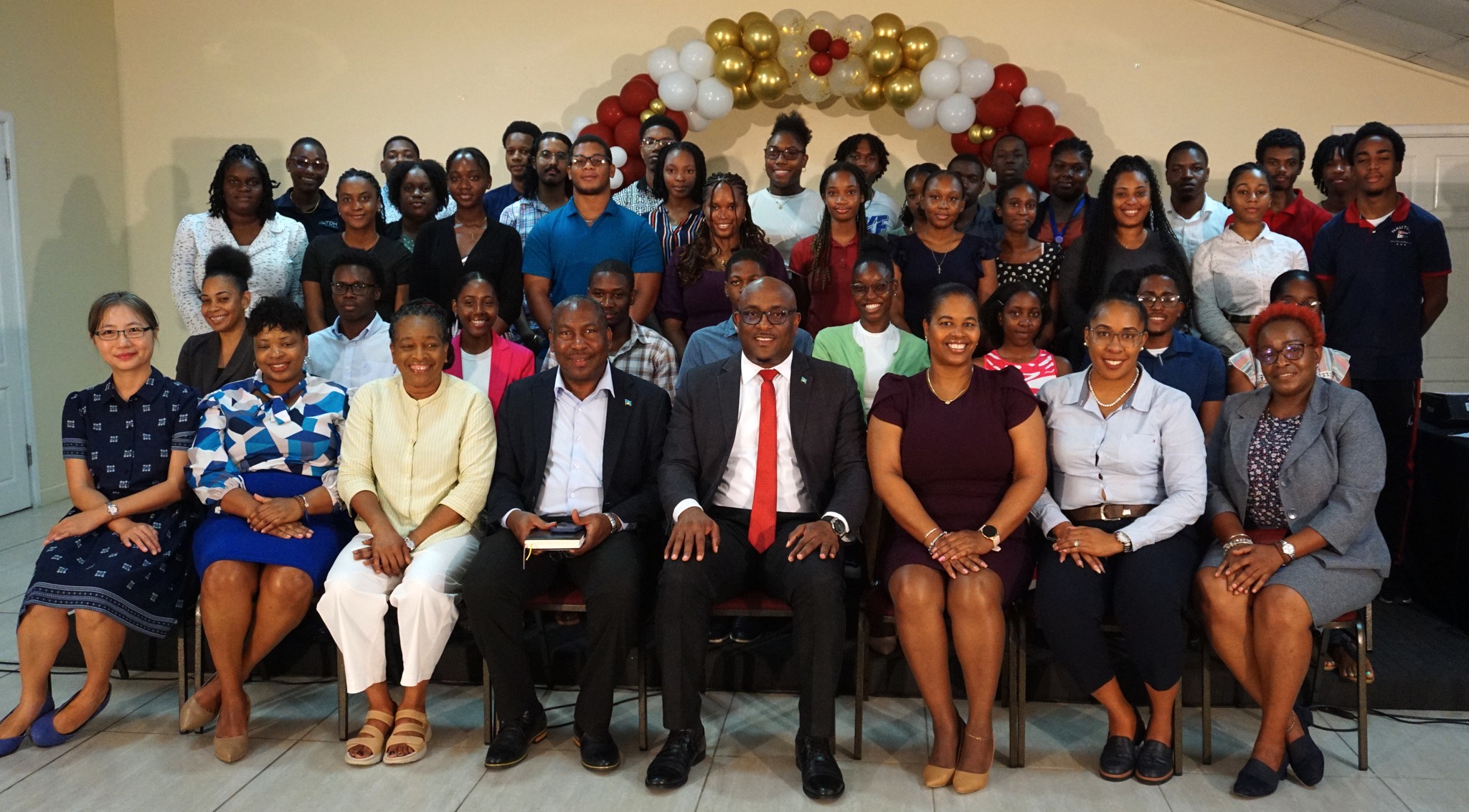
One of those students is 24-year-old Rena-Jayne Sanganoo, now in her second year of nursing studies thanks to the MOFA Taiwan Scholarship. She received the news with a mixture of disbelief and joy.
“It was a complex feeling,” she recalled. “I was extremely excited when I got the scholarship since I had originally tried for a different scholarship the year before and was not successful.”
Now in Taiwan, Sanganoo says the scholarship has eased a burden that would have otherwise made her dream of becoming a nurse nearly impossible.
“In the long run, the scholarship helps to reduce future debt, and it keeps you on your toes at school since there are standards that you need to uphold,” she added.
Scholarships can change individual lives but what do they mean for the country? At best, they represent a nation’s belief that by nurturing its brightest minds today, it can strengthen its future tomorrow.
For Rena-Jayne Sanganoo, the answer is clear.
“If the students who study do return and put their efforts and knowledge back into the country, it can have a great impact,” she said. “On an island as small as Saint Lucia, investing in the education of future generations and giving them opportunities to experience life abroad, build new networks and learn new languages, with the hope that they will return and contribute to the island’s development, is a beautiful thing.”
That same belief resonates with Jeremie Lewis, who sees education as a key to unlocking Saint Lucia’s collective talent.
“I believe the investment in education would open a lot of doors,” he said. “I know a lot of people who are unable to continue their education because of the cost. A lot of smart people are out there. They just don’t have a platform to learn and put their skills and gifts to use.”



How can I apply