
The Eastern Caribbean Telecommunications Authority (ECTEL) officially launched the findings of its Digital Inclusion Survey on January 28, 2026, at the Bougenvelia Conference Room at the Bay Gardens Hotel in Rodney Bay. The gathering brought together stakeholders, including representatives from telecommunication networks, policymakers, and media representatives.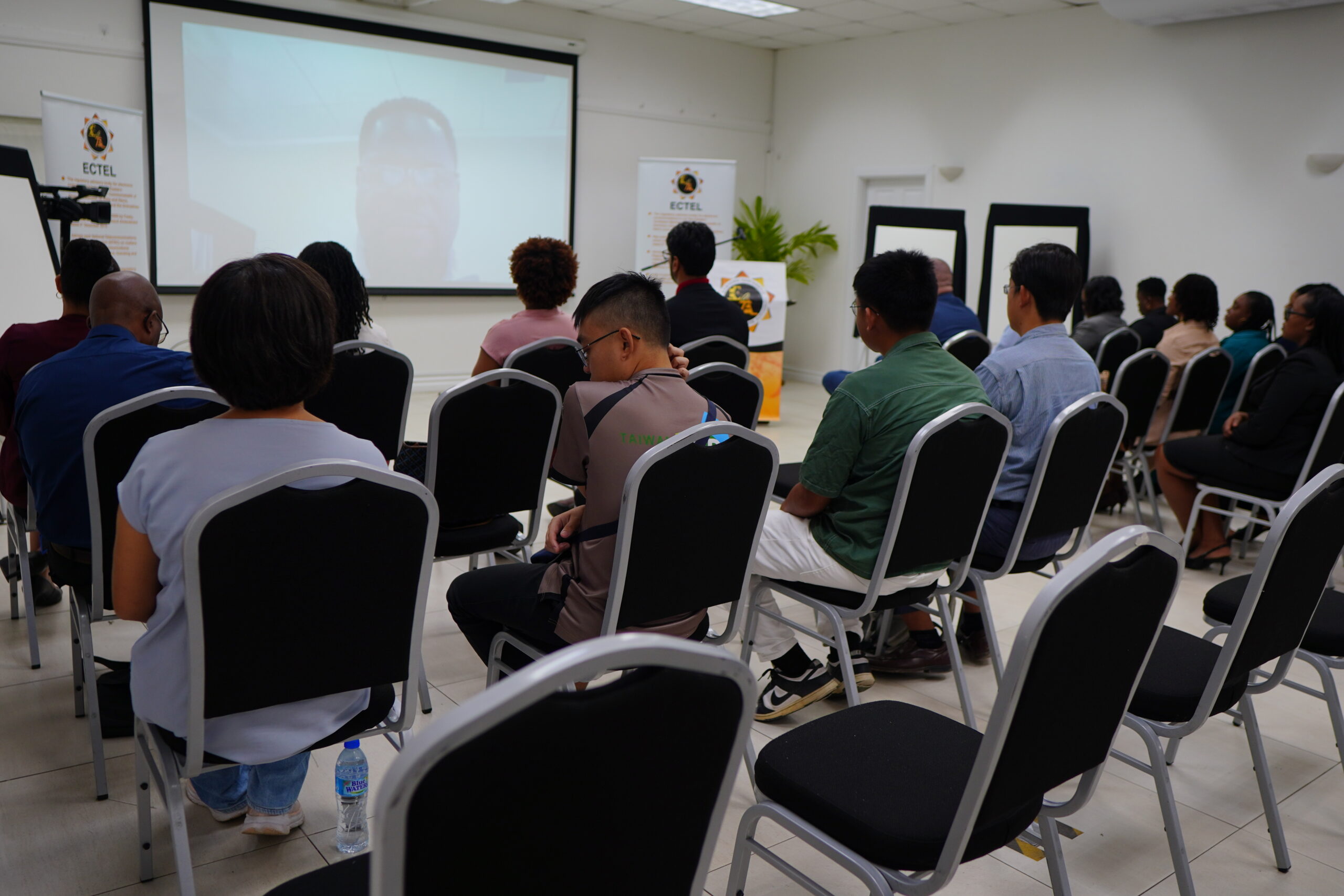
The findings provided insights to inform policy development, regulatory strategies, and regional initiatives aimed at narrowing the digital divide and advancing inclusive digital transformation within the Eastern Caribbean, particularly in the Commonwealth of Dominica, Grenada, St Kitts and Nevis, and Saint Lucia.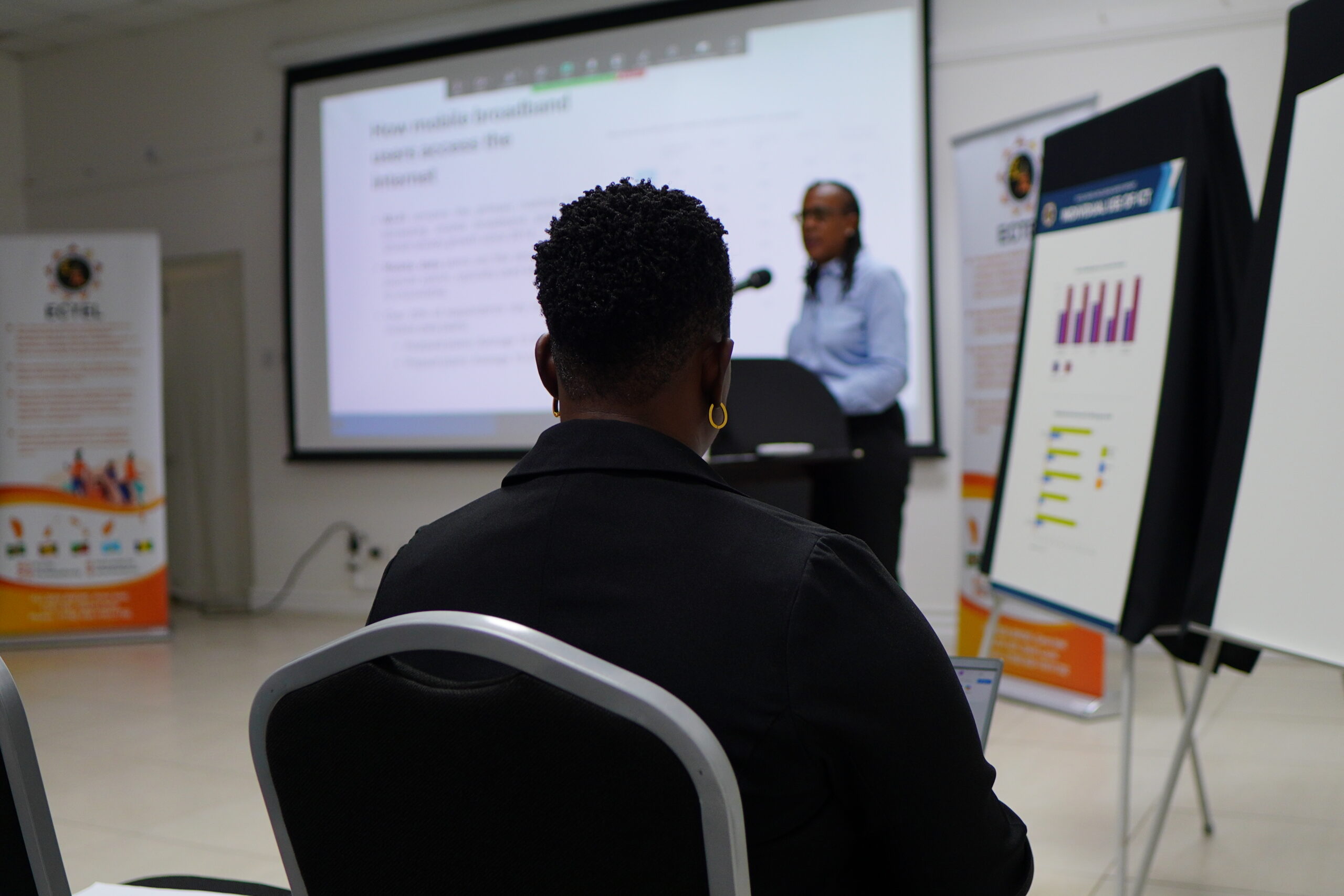
The survey was conducted in 2024. Among the key discoveries was the reality that despite near-universal access and a significant increase in connectivity since 2014, an “Information and Communication Technology Skill Level” study revealed that the vast majority of users possess only “Basic Skills,” averaging 60 per cent. The percentage of users with “Intermediate” or “Advanced” skills is very low, often below 5 per cent. This means that the region has successfully bridged the physical digital divide, but a capability divide remains. People are consuming content but are likely not creating it or using digital tools for complex economic activities.
Interestingly, the survey revealed that the most common household ICT devices across member states were laptops.
Managing Director at ECTEL, David Cox, told St. Lucia Times that while there has been vast improvement in technological advancements, there is still much work to be done.
“Its intention is really to gather as much data on how people are using digital technologies in these countries. It’s important to gather information on how people feel about cost, what are some of the barriers to accessing those technologies, and in the end, it will provide useful information for regulation in the future,” he said.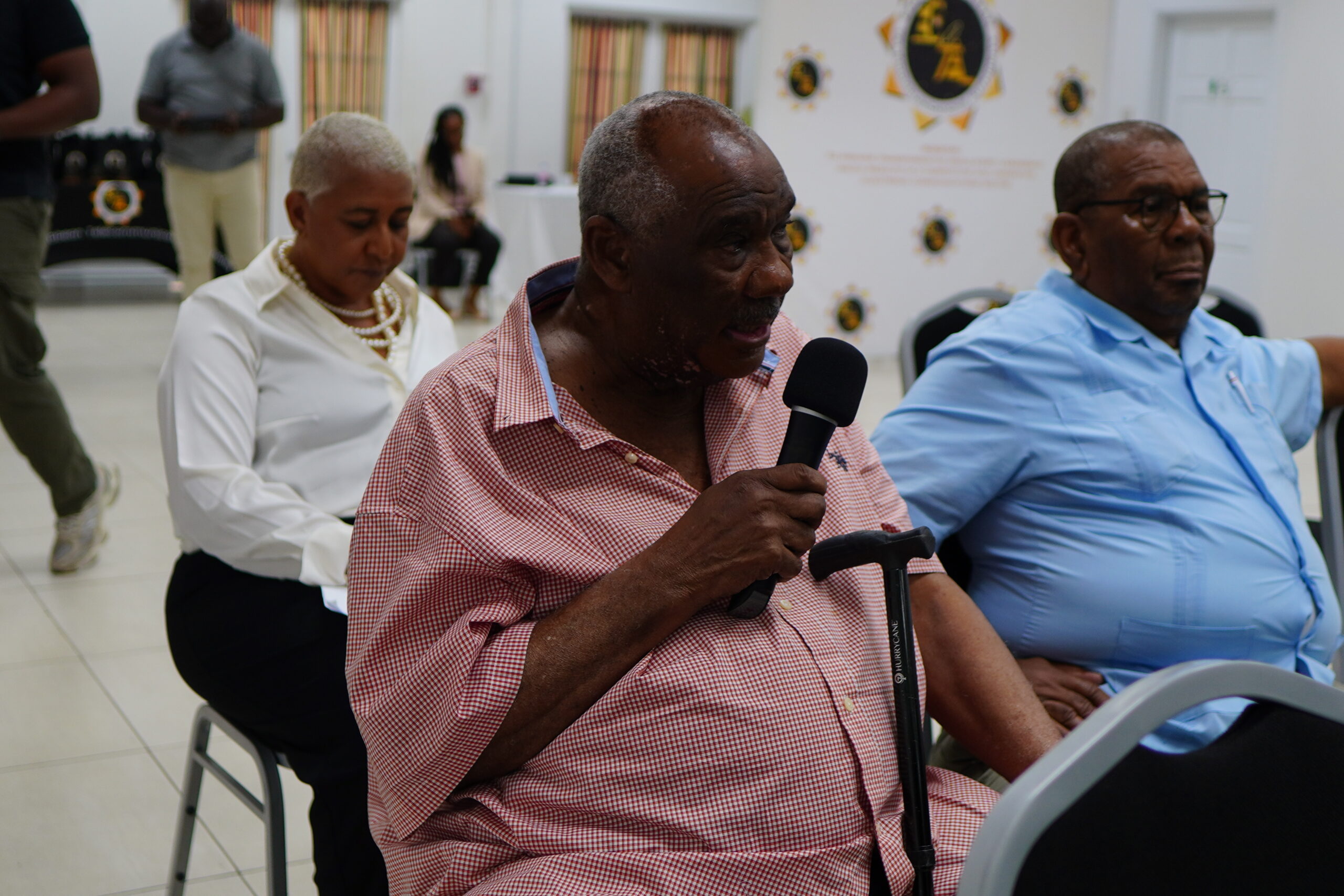
“I think the thing that really most stands out is that broadband connectivity has jumped considerably since 2014, which means that the markets are heading in the right direction. Of course, there remains a lot of work to do. There are still a lot of concerns in many of the countries around quality of service, and price continues to be a barrier for many people in terms of their use of the internet. So, ECTEL and the National Telecommunications Regulatory Commissions (NTRCs) are working together, and the governments, of course, have some work to do in order to bring those barriers down, to improve quality of service, and to make the price of the services more accessible for more people.”




This is butter on ice. Unless proper regulation are being put in place and proper policing of such, it remains a daunting task to fully explore the communication aspect of things. While we are moving towards a digital transformation, it is being done prematurely, with haste and to showoff to some degree of being associated in the realm of digital transformation. Government and some private sector are running on native connectivity only awaiting a catastrophe to happen. For instance the legal system gone digital. When it is non functional innocent people are left to deal with a so called unforeseen error or malfunction. Ectel needs to do a lot more to hold these giants accountable who only concern about their profits at all cost.