Deaf and hard of hearing individuals in Saint Lucia continue to face an uphill battle in terms of accessibility to modern amenities on the island, in order to live as comfortably as possible. The gaps between Saint Lucia and developed countries with regard to ease of access for these individuals continue to widen as technology is adopted in the “First World”.
Among the challenges faced is the fact that deafness is not a disability that can specifically be observed at first glance which can lead to discrimination. In circumstances where it should be easier for these citizens to gain some form of equity, such as access to disability parking spaces, they are often met with restrictions.
President of the Society of the Deaf Club, Shanel Chedy-Romulus, believes there are several initiatives that can be implemented to help alleviate some of the difficulties faced by the deaf and hard of hearing. These include special attention to those individuals during periods of emergencies and natural disasters.
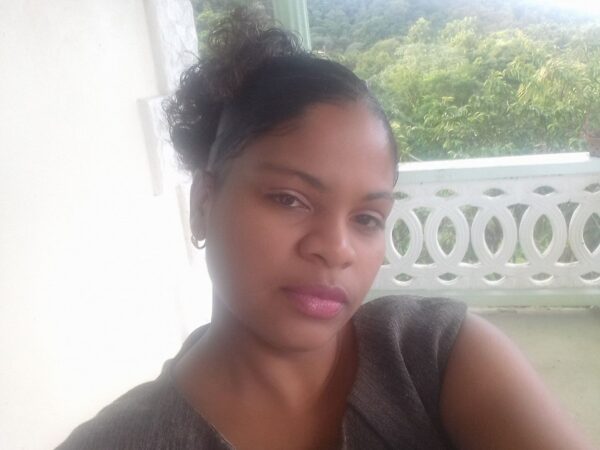
“Deaf people need assistance during emergencies such as crime, violence, and hurricanes” she told St. Lucia Times.
“Emergency alerts should include visual warnings and text messages for deaf people. Health care providers should ensure clear communication by using interpreters or written communication when needed.”
“Public offices and hospitals should have trained staff who can communicate using basic sign language. Police officers and emergency responders should receive training on how to communicate with deaf individuals. Information about public services should be available in sign language and easy-to-read formats.”
Access to employment opportunities is also among the limitations faced by the deaf community, who often need assistance during job interviews through interpreters, as communication gaps between management and skilled, deaf employees remain a major barrier to entry.
“The deaf community and the hearing community should communicate fairly and support one another in the workplace through the use of sign language,” Romulus said.
“Interpreters are needed to assist deaf people when visiting doctors, attending job interviews, or dealing with the police and crime-related situations. Job trainers should be available to support deaf people in the workplace. Workplaces should provide reasonable accommodations for deaf employees, such as captioning and visual alarms.”
Deaf children also face challenges in the school environment. Romulus believes these individuals should have access “to education with qualified sign language interpreters.”
Ultimately, Romulus is adamant that assistance begins with a shift in the Saint Lucian mindset when it comes to supporting deaf and hearing-impaired persons.
“Deaf people should be involved in decision-making about policies that affect their community. Respect deaf culture and do not assume deaf people cannot work or live independently,” she emphasised.
Barbados, through its Deaf Empowerment Project launched in 2022, is on a mission to consolidate services for the deaf and hard of hearing. The programme has made strides in helping citizens communicate more effectively in public and private sector transactions, promoting full inclusion of the deaf into all aspects of society, and focusing on urgent needs such as communication access, advocacy, and integration.