
The radio cuts to a special bulletin. The meteorological service is giving an update, and before the weatherman even finishes the sentence, your mother is already counting tins in the pantry. Canned tuna. Milk. Crackers. Your sibling is filling every pot and bucket in the house with water. Grandma is checking the kerosene lamp and the charge on the solar lights, and Daddy is on the verandah looking at the sky, the way grandpa taught him. Without anyone saying it out loud, the whole house understands a storm is coming.
There was a time when a strong hurricane was a story told for years. Hurricane Gilbert, 1988, was that kind of storm. It was terrifying as it tore through the Caribbean with a force that left damage, extensive loss and significant mental scars; but, it was also, somehow, singular.
Since 2016, devastating hurricanes have become standard in the region:
❖ Matthew in 2016, which was a Category 5 at peak and hit Haiti as a Category 4 with 150 mph winds, the strongest storm the country had seen in over half a century, killing more than 500 people, flattening 90 per cent of crops, and leaving over 120 000 families without homes.
❖ Maria in 2017 was a Category 5 hurricane that wiped out 226 per cent of Dominica’s GDP, setting development back by decades in the span of hours.
❖ Dorian in 2019, another Category 5, which ominously lay in wait over The Bahamas until Marsh Harbour was gone and families were still searching for each other weeks later.
❖ Beryl in July 2024, a Hurricane that made history by being the earliest Category 5 ever recorded in the Atlantic at peak, which arrived before the hurricane season had even properly introduced itself, stripped Carriacou down to its bones as a Category 4, levelled fields in Jamaica, and left the Caribbean wondering what we were supposed to do next.
❖ Melissa in 2025, yet another Category 5 Hurricane, just 15months after Beryl, became the strongest Atlantic storm ever recorded, with 185 mph winds, 95 lives claimed, and a name now retired because some things cannot simply be recycled.
So what changed? Because it wasn’t us. In fact, the Caribbean contributes less than 0.1 per cent of global greenhouse gas emissions. While the world has collectively benefitted from the energy systems built over the past two centuries, it is the continued, unabated over-reliance on fossil fuels and reluctance to switch to renewable energy that is driving the climate crisis in which we now live. Though the Caribbean did not make that choice, we are the ones filling the buckets, rebuilding the roofs and burying the dead in the wake of these climate disasters.
Here is what is actually happening: hurricanes feed on warm ocean water. Decades of carbon pollution have trapped heat in the atmosphere, and our oceans have been absorbing it. The Caribbean Sea is now warmer than it should be, and every storm that passes over it finds more fuel than the one before. According to Climate Central’s Rapid Attribution, Hurricane Melissa’s winds were strengthened by climate change, and the ocean temperatures that powered her were made hundreds of times more likely because of human activity.
To expound, when Hurricane Maria hit Dominica in 2017, Prime Minister Skerrit posted from inside the storm, his roof gone, water rising, writing in real time as the Nature Island of the Caribbean came apart. When Dorian sat over The Bahamas for two days, entire communities on Abaco and Grand Bahama were simply erased. Similarly, when Beryl tore through Carriacou, 90 per cent of structures were damaged or destroyed, including homes, schools and fishing boats that feed families. When Melissa made landfall, Haiti’s outer rainbands triggered deadly landslides, Cuba evacuated 735 000 people overnight, and Jamaica’s western end was flattened, and crops were underwater for the second time in under two years. Additionally, across the region the hospitals, food systems, and the roads we have built and rebuilt for decades absorbed yet another blow.
Caribbean people and other communities on the front lines of climate change have shown more resilience and grace under devastation than most of the world will ever be asked to show. But resilience is not justice. You cannot rebuild a flattened hospital with resilience alone, nor can you tell a region to keep bouncing back while the conditions destroying it go unaddressed. At some point, praising our strength becomes a way of avoiding the conversation about who is responsible for the burden we keep bearing.
That conversation is called climate justice, calling for the wealthiest nations to honour the climate finance commitments as a debt owed, not charity given. Thankfully, the ground beneath this conversation is shifting. In May 2026, the United Nations General Assembly voted to endorse the International Court of Justice’s advisory opinion on climate change, which was co-sponsored by Caribbean states, including Barbados and Jamaica. This opinion clarifies that states have binding obligations under international law to protect the climate system, and that breaching those obligations carries legal consequences such as liability and reparations.
Honouring these commitments looks like loss and damage funding that reaches small island states as grants, not loans. It looks like the Caribbean having a real seat at every global table where climate decisions are made. It also looks like countries meaningfully and strategically committing to, and delivering on, their Nationally Determined Contributions (NDCs), the national climate action plans under the Paris Agreement. Moreover, as citizens, we must be resolute in advocacy and use our voices to demand justice for the region. On top of educating ourselves on the impact of hurricanes and climate change, we must ask our political leaders how they are holding the international community accountable and support the organisations fighting for climate justice every day.
So, yes, the Caribbean is paying for a climate crisis we did not create, but our experience is not a cautionary tale for the rest of the world. It is evidence, and the most powerful thing we can do is refuse to be quiet.
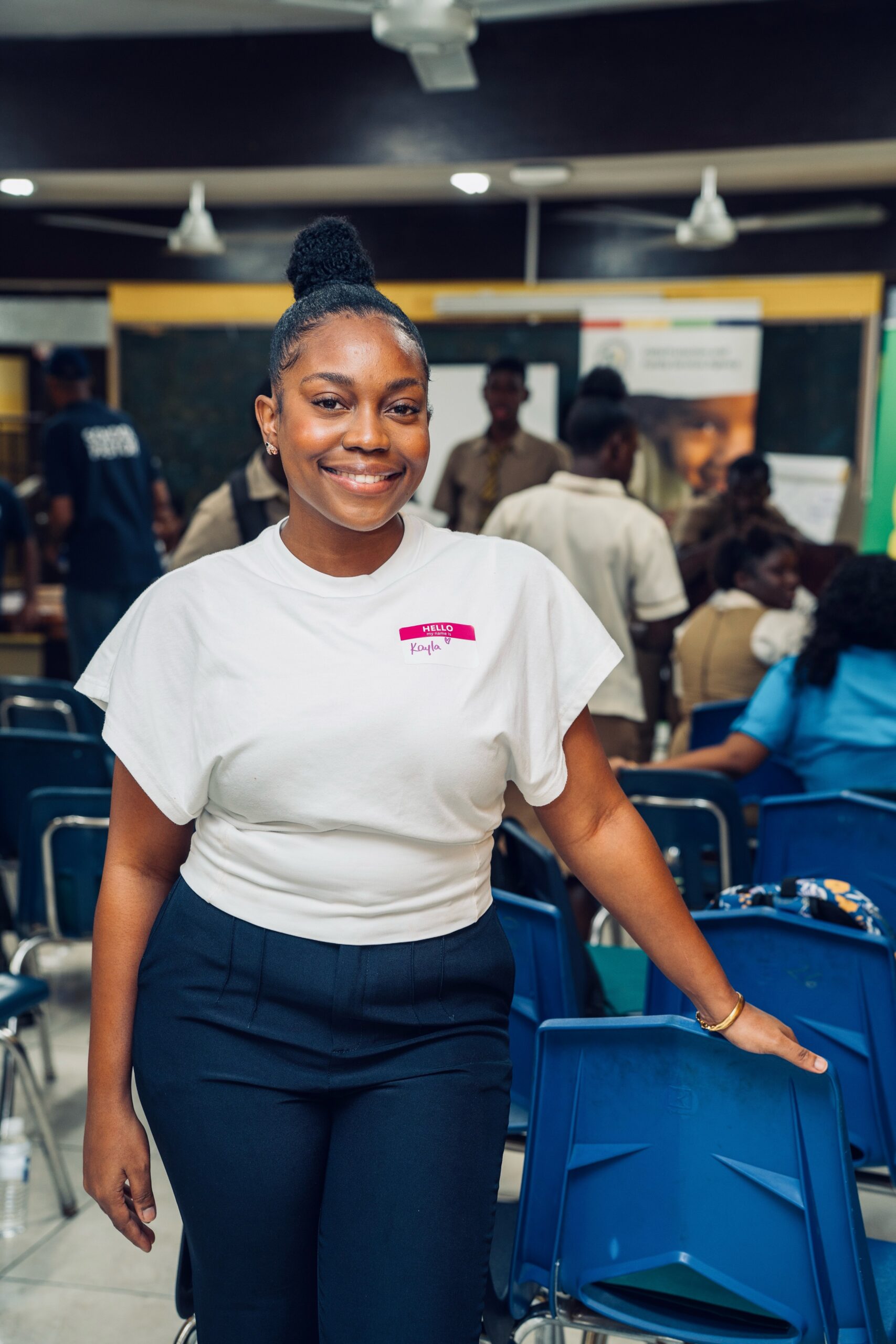
Kayla Wright is a Jamaican youth advocate working at the intersection of public health, youth rights, and policy development in Jamaica and the wider Caribbean.




good article
This story will only get a B mark if written by a Form 4 student for an English Composition class.
As a work of “journalism”, it fails miserably while exposing the writer’s gross ignorance about the difference between climate & weather!