
Ninety-one years ago, educators across the region came together with a shared purpose: to strengthen their collective voice. That effort gave rise to what is now the Caribbean Union of Teachers (CUT), which today celebrates more than nine decades of advocacy while keeping an eye on the work still ahead.
CUT President Sharon Kelsick says the anniversary is an opportunity to remember the sacrifices that helped shape the organisation and improve conditions for educators across the Caribbean.
The union traces its beginnings to August 21, 1935, when it was established as the West Indies Teachers Association. For Kelsick, that history is also a reminder that some of the gains educators enjoy today came at a considerable cost.
“For us at CUT, we do not take the 91 years lightly, because we know we stand on the shoulders of educators and union leaders who have fought, who have gone hungry, educators who have been arrested, and who have experienced the hardships that we are able to enjoy the fruits of their labours,” she said.
But 91 years later, representing teachers comes with a different set of challenges.
Kelsick told St Lucia Times that the current industrial relations environment is a difficult one for unions, making the CUT’s longevity significant in itself.
“The CUT continues to exist, and that in and of itself is a milestone, because the complex landscape of industrial relations right now is very challenging for every union, including the CUT,” she said.
One development she is particularly proud of over the past year is the CUT’s partnership with the Cipriani College of Labour and Co-operative Studies, which will provide opportunities for trade union training and research.
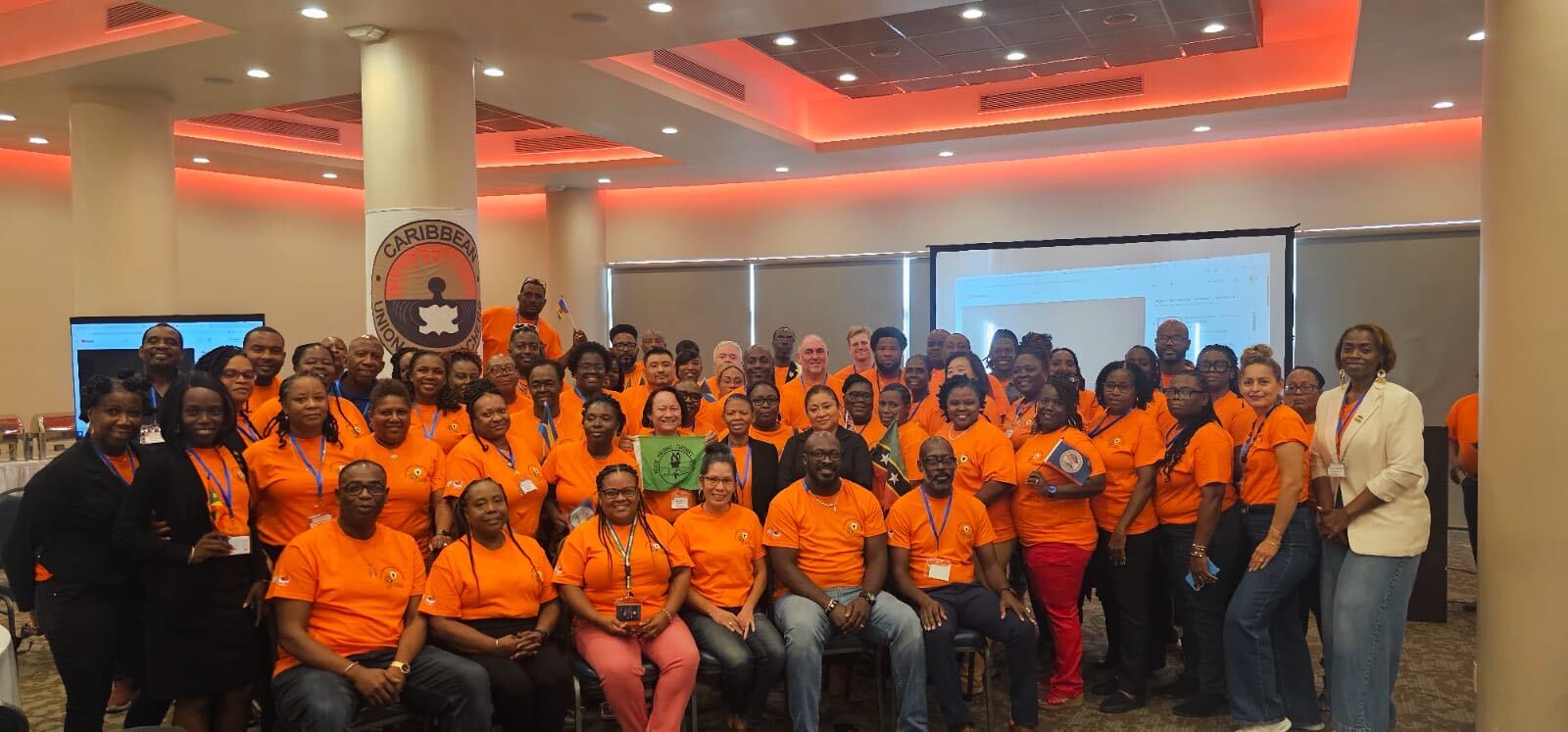
“With this partnership, we were able to bring trade union courses. Our executives can be trained; we will do research with the college that will help us to better advocate for our people,” Kelsick explained.
That focus on partnership extends to Kelsick’s wider vision for the organisation. She wants closer relationships with ministries of education, member unions and other organisations, stressing that “we cannot exist within a vacuum”.
“We have to cooperate, we have to work together in order to push education, not just for our individual member units, but for us as a Caribbean society,” Kelsick said.
And even as the CUT celebrates how far it has come, some of the issues at the heart of trade unionism remain very much alive.
“The fight for fair working conditions and respect and dignity and increased salaries is a continuous one. We will never stop fighting,” the union president said.
As the CUT enters its 92nd year, Kelsick’s message remains rooted in the same principle that brought Caribbean educators together more than nine decades ago: strength in unity.
“We are the CUT. We are committed. We stand united. And our impact is transgenerational. Long live the CUT!”