
Saint Lucia’s tourism industry has an opportunity to reach more travellers and strengthen its competitiveness by making hospitality services more inclusive, according to a regional advocate who says businesses can begin making meaningful changes without necessarily undertaking major renovations.
Speaking to St Lucia Times following The Future Caribbean Traveller Executive Breakfast recently in Saint Lucia, Atlyn Forde, founder of the Inclusive Travel Forum and Chief Executive Officer of Communicate Inclusively, said awareness of accessibility and inclusion has grown over the past two years, with more industry stakeholders recognising the importance of adapting their services.
“The stakeholders in Saint Lucia are much more aware and actually want to learn more about it,” she said, noting that businesses are becoming conscious of the need to remain competitive.
The Inclusive Travel Forum, founded about two and a half years ago, brings together travel businesses and professionals to promote inclusion through training, resources, accessibility audits and advocacy.
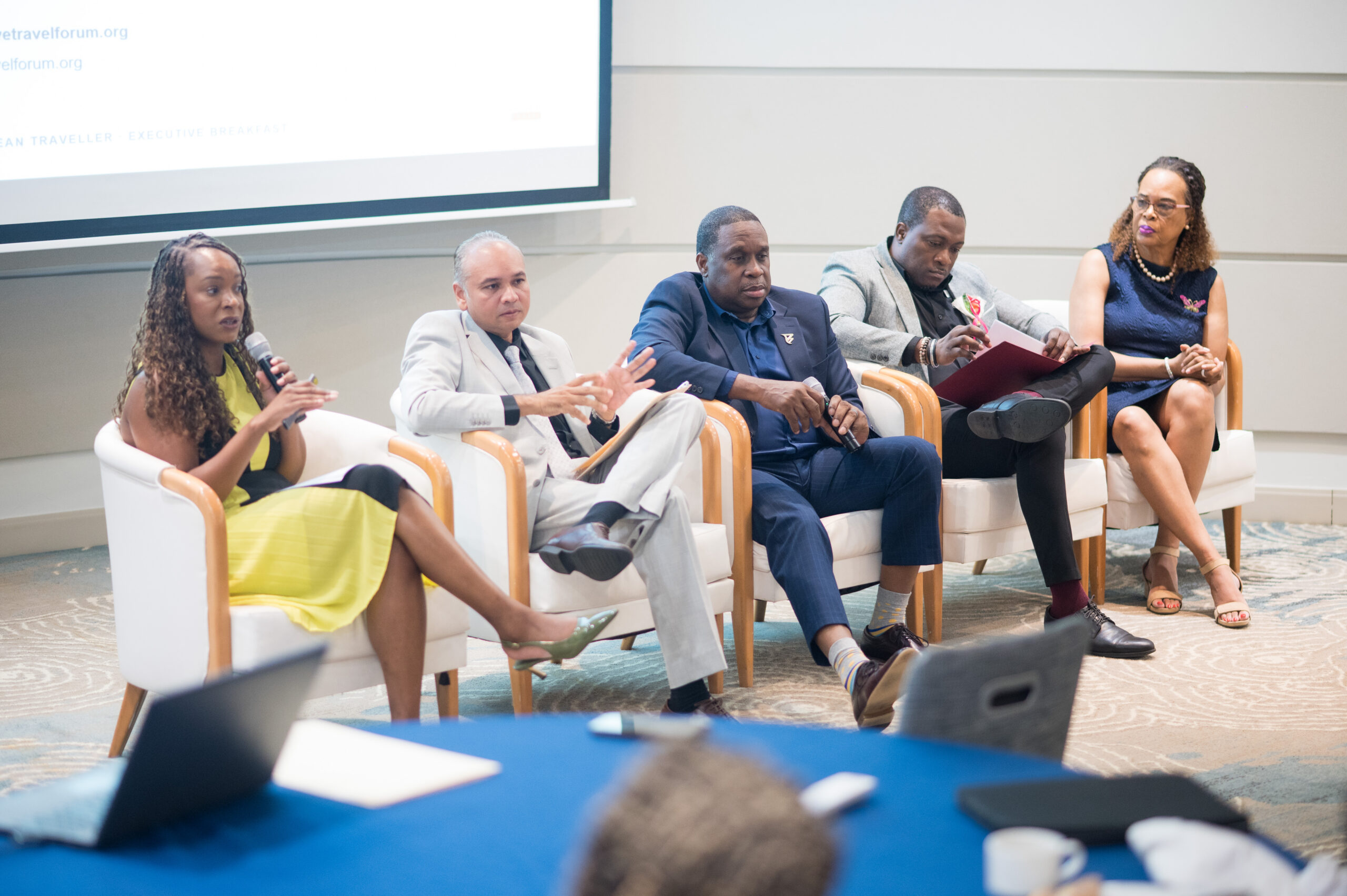
Forde believes that making services more accessible and responsive to different customer needs should be viewed as part of a business’s commercial strategy.
By understanding the needs of a wider range of travellers, hotels and tourism operators can improve customer experiences, reach new markets and make their services more attractive to potential guests, she said.
“It’s not just about a burden and that they’re being forced to do things that they may not want to do,” Forde explained. “It’s a commercial benefit.”
The scale of the opportunity
The potential market extends well beyond travellers with mobility challenges. About 85 million people in Latin America and the Caribbean live with a disability, while an estimated 1.3 billion people worldwide – or 16 per cent of the global population – have a disability.
In the United Kingdom, an important source market for Caribbean tourism, the spending power of disabled people and their households is estimated at £274 billion annually.
Other traveller groups also represent significant opportunities. One in seven people in the UK is neurodivergent, while Muslim travellers made an estimated 176 million international trips in 2024. Spending by Muslim travellers is projected to reach US$230 billion by 2030.
Three steps hotels can take
Forde identified three practical measures that hotels can begin implementing to improve their inclusivity.
The first is to provide detailed, accurate information about their facilities and services. This could include doorway widths, bed heights, the number of steps at entrances, distances between parking areas and buildings, and the accessibility of various facilities.
Forde said businesses do not necessarily have to begin by undertaking expensive renovations. They can first assess their existing facilities and clearly communicate what they can and cannot accommodate.
Detailed information is also increasingly important as travellers use artificial intelligence and online platforms to find accommodation that meets their requirements.
“If your website’s really detailed, then that’s all that matters; it also means that you’re amplifying the opportunity for people to select your property for whatever their needs may be,” she said.
Her second recommendation is for tourism businesses to share experiences and best practices rather than approach inclusion in isolation.
She suggested that industry associations, including the Saint Lucia Hospitality and Tourism Association, could help facilitate training, share resources and create opportunities for businesses to learn from one another.
The third measure is to establish effective systems for gathering customer feedback.
Forde said hotels should make it easy for guests to communicate their requirements before arrival, during their stay and after departure. Booking platforms, mobile applications and other communication channels could allow guests to request specific accommodations.
Looking beyond physical accessibility
While ramps, accessible entrances and other mobility-related provisions remain important, Forde stressed that inclusive tourism must take account of a much broader range of needs.
These include dietary requirements, health conditions, religious practices, cultural differences, gender-related concerns, neurodiversity and different family structures.
For example, travellers with diabetes need clear information about sugar content, while guests with food allergies need accurate ingredient details. Hotels may also need to consider halal, kosher or ital food options, as well as the privacy requirements of guests who wear religious head coverings.
Staff training is another important consideration. Forde highlighted the need for employees to understand communication differences, personal boundaries and cultural sensitivities.
For neurodivergent travellers, this could mean providing quieter spaces, respecting different communication styles and recognising that some guests may be uncomfortable with eye contact or close physical interaction.
Women travelling alone may also have particular safety concerns, including how staff approach and interact with them.
According to Forde, these needs are not necessarily new. Rather, “people are no longer afraid to share what their needs are”.
She encouraged tourism businesses to remain open to learning and adapting, while being honest about the services they can realistically provide.
Accessibility must extend beyond hotels
Forde also pointed to the importance of making public infrastructure more accessible, reflecting on St Lucia Times‘ video feature with Kevin Jean-Baptiste, which highlighted the challenges of navigating the capital as a wheelchair user.
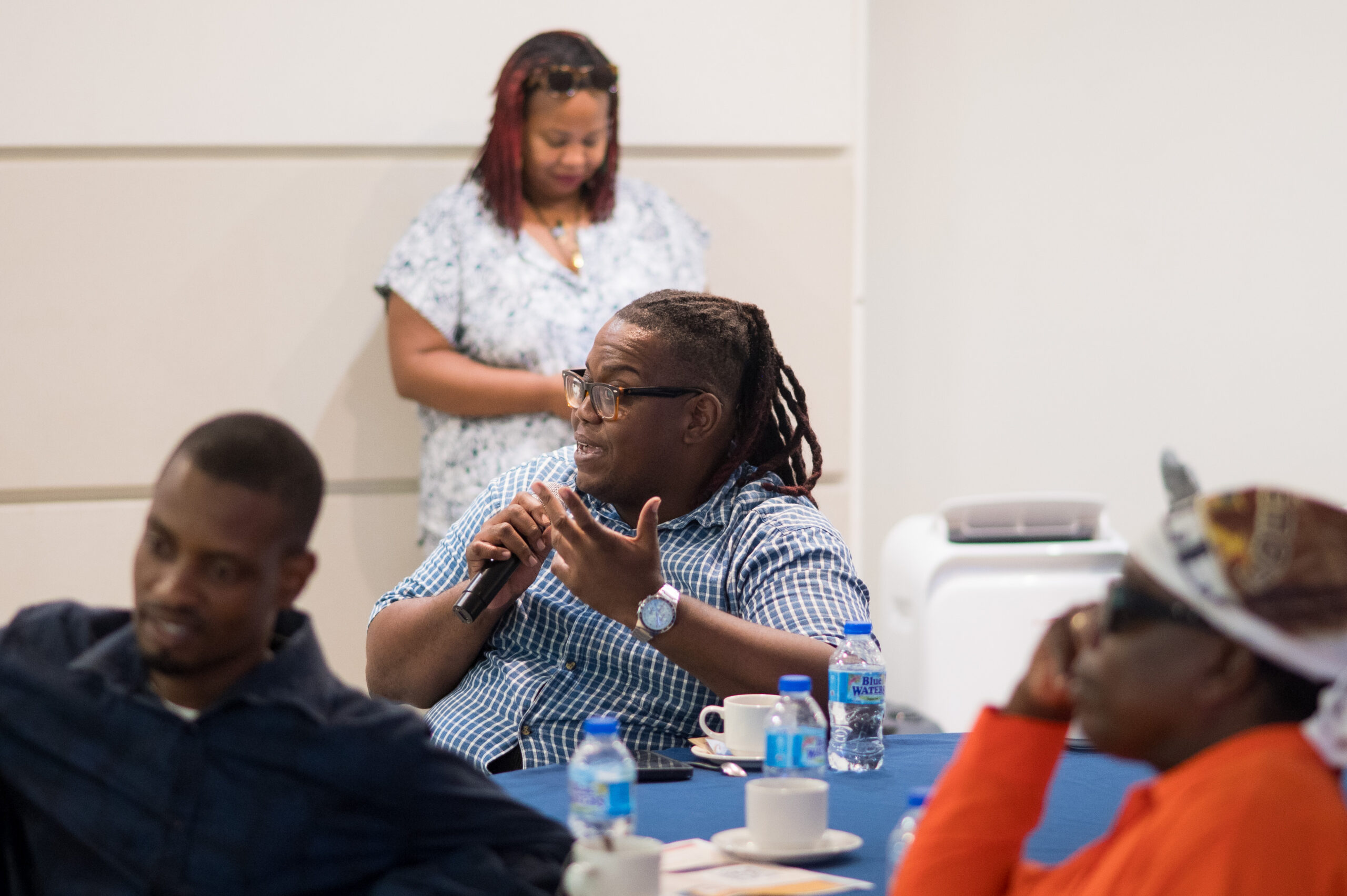
She said the footage was valuable in drawing attention to experiences that people who do not face accessibility challenges may overlook.
Accessibility, she emphasised, is not an issue affecting only wheelchair users. Older people, individuals recovering from injuries, parents travelling with strollers and others who have difficulty navigating steps can also benefit from more accessible public spaces.
“Anyone should be able to do that,” she said, referring to the ability to travel to work and move around communities.
She called for accessibility to be considered from the outset of new infrastructure projects, including roads, pavements, parks, public buildings and car parks. This could include providing ramps and designated accessible parking spaces and ensuring that buildings and public areas meet accessibility standards.
While acknowledging that retrofitting existing infrastructure can be challenging, Forde said new developments should be designed with inclusion in mind.
Forde’s long-term vision is for inclusive travel to become so firmly embedded in the Caribbean tourism industry that organisations such as the Inclusive Travel Forum will no longer be needed to advocate for change.
“I think we’re heading in the right direction,” she said.