
Climate shifts and events like the ongoing ‘very strong El Niño’ are affecting weather patterns across the Caribbean, with countries experiencing everything from prolonged droughts and wildfires to sudden, intense rainfall since the start of 2026 and, in some instances, 2025.
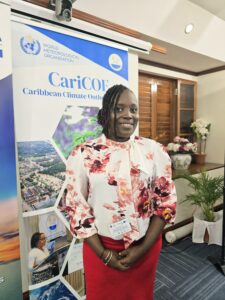
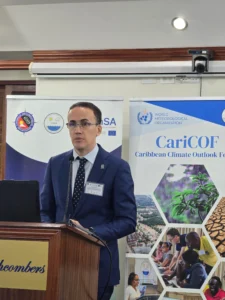
During her presentation at the 2026-2027 Dry Season Caribbean Climate Outlook Forum (CariCOF) on November 25, CIMH Technical Officer (Applied Meteorology and Climatology) Shontelle Stoute highlighted how these changes are affecting the region. She gave a comprehensive overview of the impacts after collecting information from news reports across the Caribbean.
Saint Lucia – Drought and Water Shortages
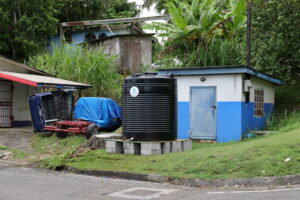
By January 2026, roughly two months into the dry season, Saint Lucia Met Services had issued a severe dry season warning. The Water Resource Management Authority stated that the country was entering the peak of the dry season, with critically low river flows raising concerns over national water security.
“In March, the 2026 dry season was being observed as one of the driest periods on record behind the 2010 drought,” Stoute stated. This resulted in mandatory water conservation measures being put in place.
In September, during the wet season, drought concerns persisted. Reports emerged of reduced amounts of water reaching the Theobalds treatment plant, which critically diminished the water distribution network.
Barbados – Heat and Wildfires
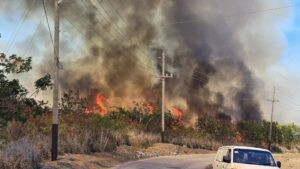
In April, bush fires ripped through about six parishes in Barbados, resulting in a significant air pollution event.
Meanwhile, vendors and farmers said they had to make significant adjustments to cope with the heat. Barbados Today reported dairy cows “wilting” under the heat. The head of the Dairy and Beef Producers Association reported that sheep, which are often considered heat tolerant, were instead seen actively seeking shade while the sun was at its peak.
Dominica – Heavy Rainfall
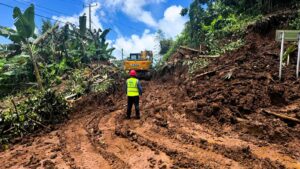
In April 2026, Dominica experienced a trough which impacted the island, particularly the east and northeast. Rainfall was so intense that some residents needed to seek refuge in shelters. “Within 24 hours, rainfall totals ranged from about 4.9 inches to a staggering 26.3 inches in Dominica,” Stoute stated. Some homes were damaged during major landslides, roads and water supplies were disrupted, schools had to be closed, and farmers lost access to their farms.
St Vincent and the Grenadines – Drought
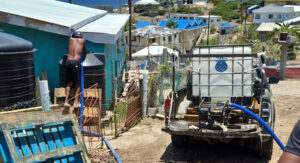
In St Vincent and the Grenadines, drought deepened, and water rationing tightened on the mainland. In the Grenadines, the situation became dire, as the islands have no rivers, streams or municipal water supply to supplement their water.
Trinidad and Tobago – Wildfires
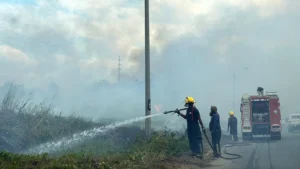
Wildfires extensively destroyed crops, vegetation and wildlife. Air pollution was a concern, with many people complaining of respiratory problems.
Puerto Rico – Drought
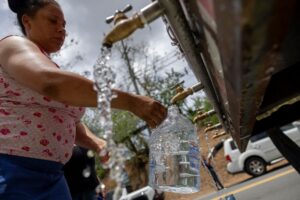
According to the US Drought Monitor, over 60% of Puerto Rico was under extreme or severe drought, leading communities to face water restrictions.
Jamaica – Drought Threatens Economic Output
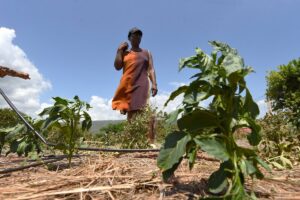
Disruption warnings went out to workers, businesses, and agricultural producers, putting increased strain on economic output. The drought threat was estimated to carry a cost of about J$35 billion.
The Bahamas – Wildfires
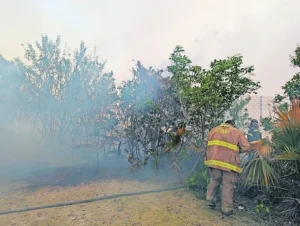
It was reported that since 2025, the Bahamas has been battling extreme heat and dry conditions. Bush fires have been ignited in New Providence, Grand Bahama, Abaco and Andros as a result. Residents were forced to breathe smoke-filled air.
Prime Minister Philip Davis stated: “We fear that this new fiery reality will become the norm and April showers will be replaced by May blazes.”
An outcome of El Niño is also that Caribbean islands were not severely impacted by hurricanes this year. Climatologists say this is due to the phenomenon’s wind shear, which tears apart developing storms in the Atlantic and reduces the chances of hurricanes forming, or of growing and persisting when they do.
However, concerns remain as the region moves into the dry season, which runs from December to May. CIMH Climatologist Dr. Cedric Van Meerbeeck has warned that extreme heat and dryness are expected to continue into the first quarter of 2027, raising the risk of water shortages and wildfires. CIMH expects El Niño conditions to persist through the peak of the dry season in March 2027, and, outside of the region’s coolest months being December, January and February, potentially record-breaking heat could follow as early as March.
(KN)