
The “One Village One Product” model is built on a simple yet powerful premise: every village has a story, and when woven into a high-quality product, that story can create sustainable livelihoods. In Saint Lucia, this concept has taken root as the One Community One Product (OCOP) initiative, a movement designed to transform local heritage into economic opportunity.
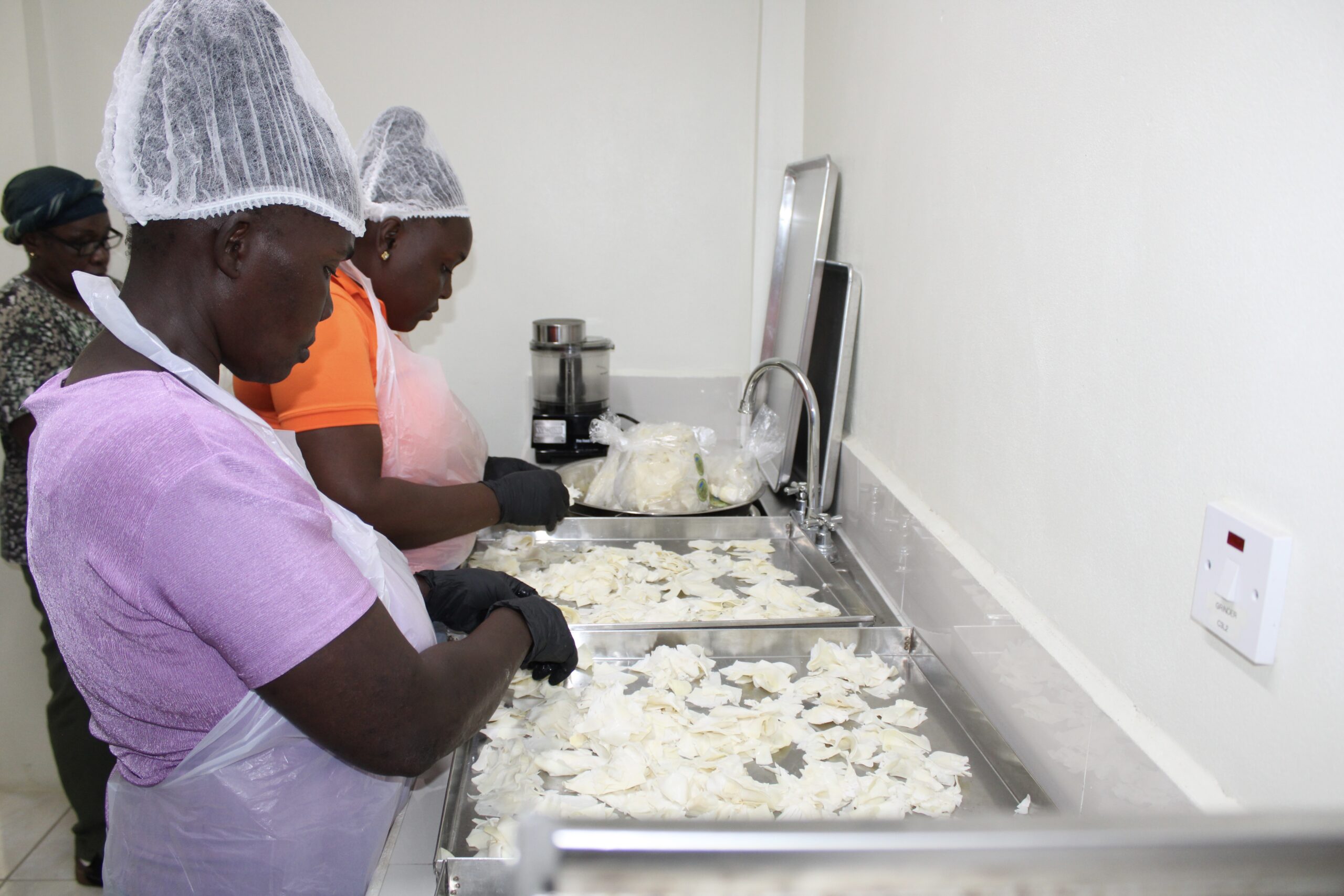
OCOP is a joint effort of the Japan International Cooperation Agency (JICA) and the Ministry of Agriculture, Fisheries, Food Security and Climate Change. Instead of focusing only on how much farmers produce, the programme brings everyone together – growers, processors and sellers – to ensure benefits are shared along the way.
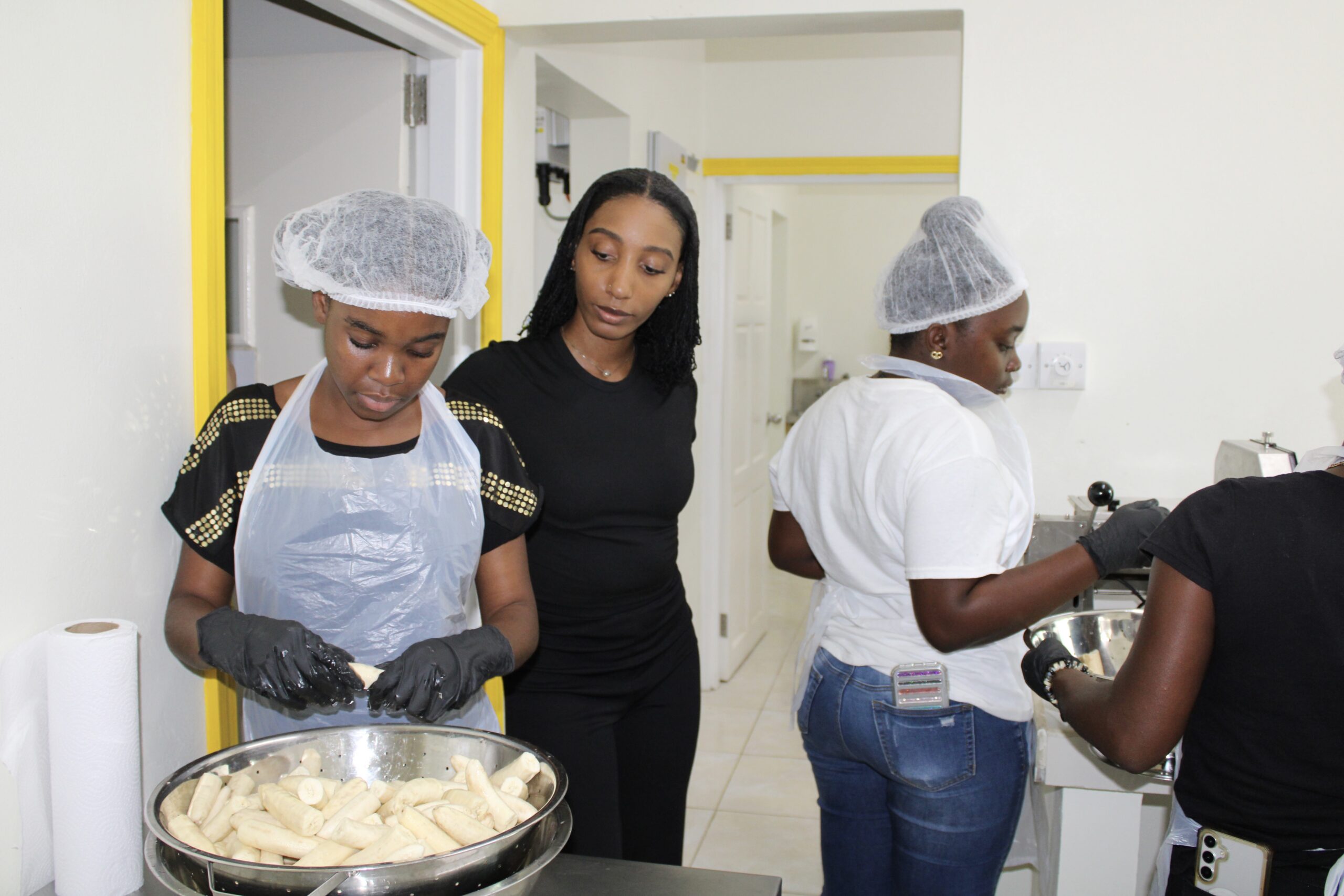
Before settling into its current phase, the project engaged in extensive groundwork. Over the past year, communities such as Soufrière, Micoud, and Laborie participated in early OCOP activities. These initial engagements were vital for:
- Testing various development approaches.
- Assessing community readiness.
- Refining the OCOP model to fit the unique Saint Lucian cultural and economic landscape.
Today, the project has transitioned into a focused pilot phase centred in Babonneau, a community that possesses a deep-rooted culture of household-level value addition. For generations, the women of Babonneau have processed local produce for home use, creating a natural foundation for a commercial agro-processing industry.
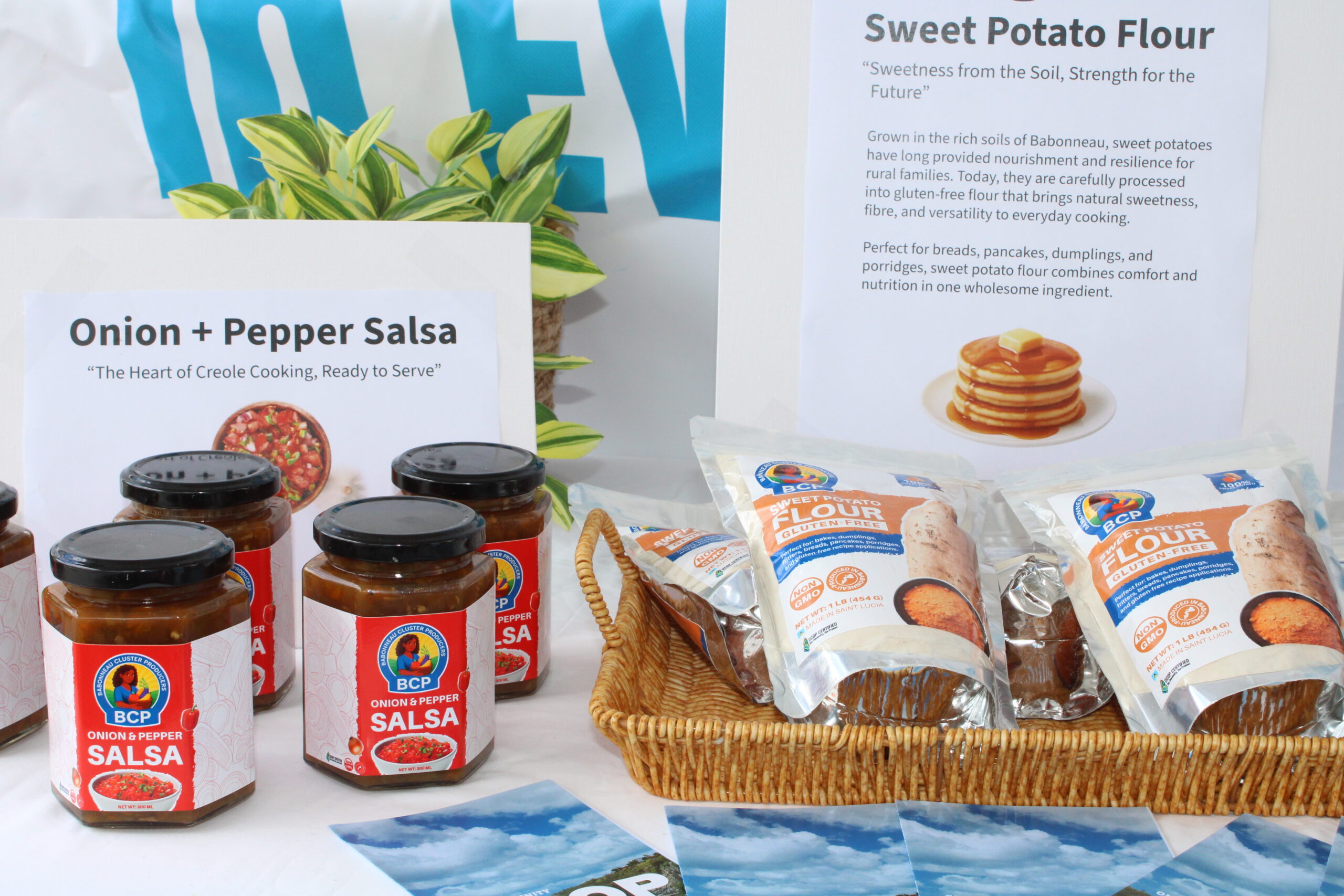
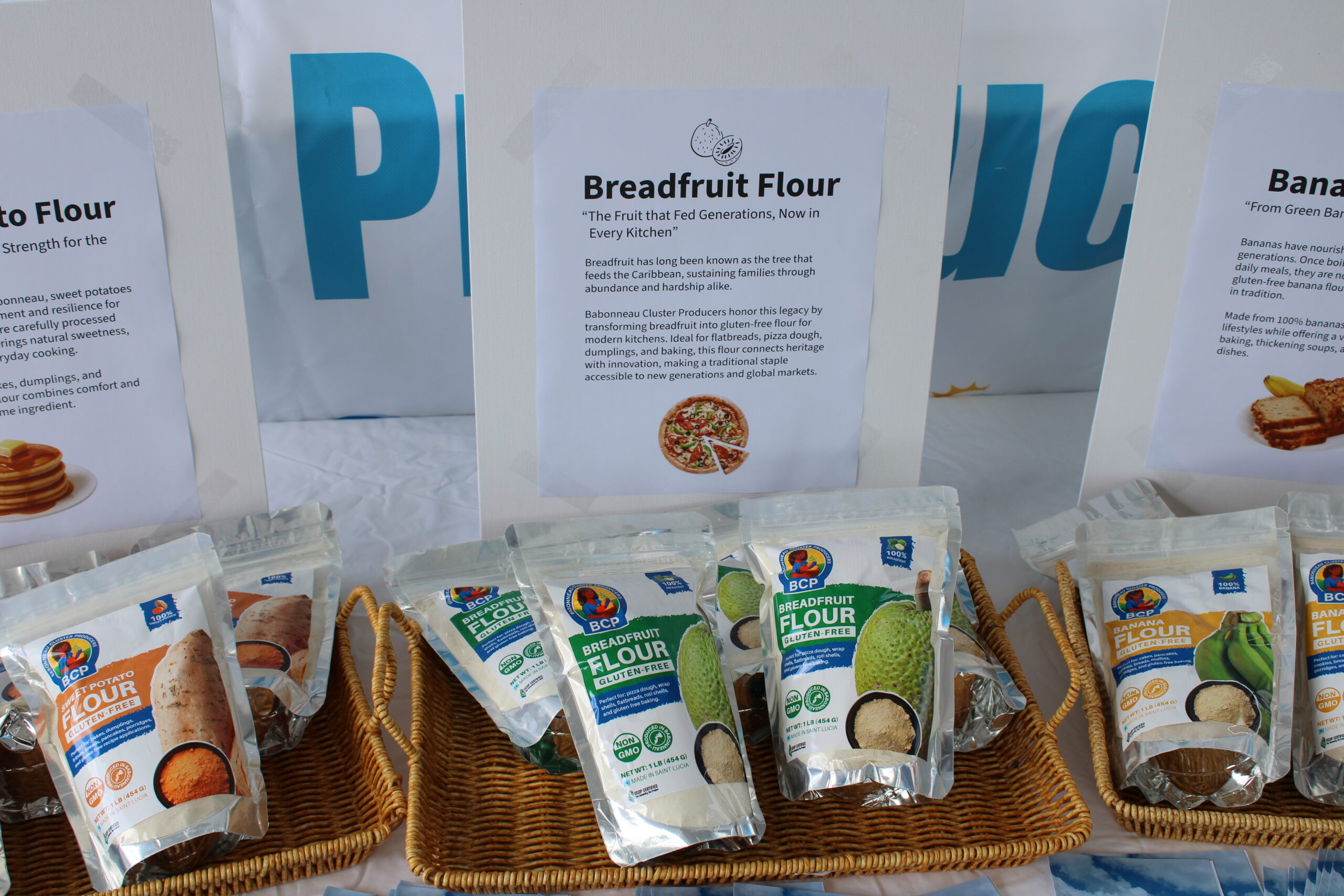
At the heart of the Babonneau pilot is the Saint Lucia Network of Rural Women Producers (Babonneau Cluster). Alongside them, about 14 local women, some of whom are mothers, receive intensive, hands-on training in agro-processing.
“This phase of OCOP has been very intentional,” explains Kendra Payne, a local consultant for the project. “It’s about working with what already exists and shaping it into something realistic, sustainable, and meaningful. We want to ensure that the approach works on the ground and that benefits are shared across the entire value chain.”
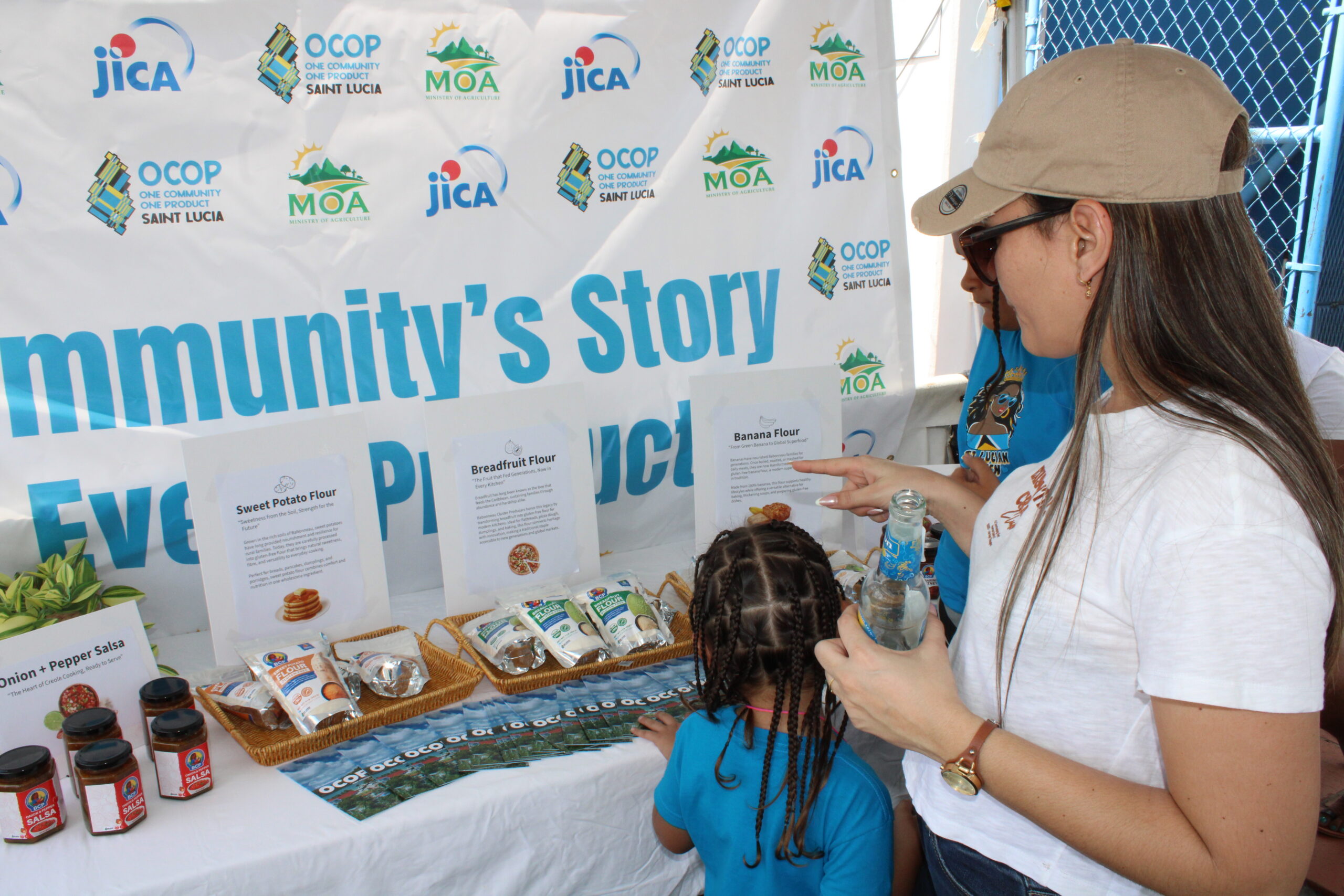
As OCOP matures in Babonneau, it serves as a blueprint for the rest of the country, the lessons learned will guide expansion into other communities.