
The cost of rent in Saint Lucia has crept higher, a truth anyone searching for a place to live can confirm without needing to consult statistics. This shows in the way friends talk about housing, in the prices listed on Facebook rental pages, in the uneasy calculations people make between salaries and shelter.
The picture is immediate when scrolling through one of the country’s most popular rental groups. A furnished two-bedroom in the north for $2 500, another unfurnished for $2 100, and even a studio priced at $2 100. Then, just beneath, the requests — one person hoping for a one-bedroom in Castries or the north for $1 000, another searching for a two-bedroom for the same amount, someone else asking for a place under $850. Their budgets reflect what once felt normal or the prices mostly seen in communities outside of the city which has more economic activity.
A 2017 study from the Research and Policy Unit at the Ministry of Finance named the problem bluntly, saying Saint Lucia has a housing deficit.
“Housing is relatively more expensive in Saint Lucia compared to countries with higher income per capita,” it noted, pointing to an informal construction sector and low wages that limit what people can afford. Many households still aspire to concrete homes, considered sturdier and more respectable than timber, but for most, the financial leap feels insurmountable.

The arithmetic is harsh. Saint Lucia’s minimum wage stands at $1 131 a month. Even the lower end of today’s rental prices can swallow nearly everything.
“My thoughts on renting? It’s a pain,” said a 37-year-old entrepreneur who asked not to be named. Renting, he said, was never about choice. “Sometimes you just can’t stay at home, but when you look at the prices and the salaries people are getting, I don’t know how they do it.”
He said he’d personally found what previously felt like a good deal but eventually gave up his apartment in 2021, after COVID slowed his business. “I went to house-sit for a relative, just so I could live rent-free and use that money for other things in my life.”
Ronald Raoul, a real estate agent with more than a decade in the industry, has watched prices climb for years. Construction costs are part of it, he said, but Airbnb has played a bigger role. “Owners realised that what they earn in a month from a tenant, they can make in a week from tourists — and with less hassle.”
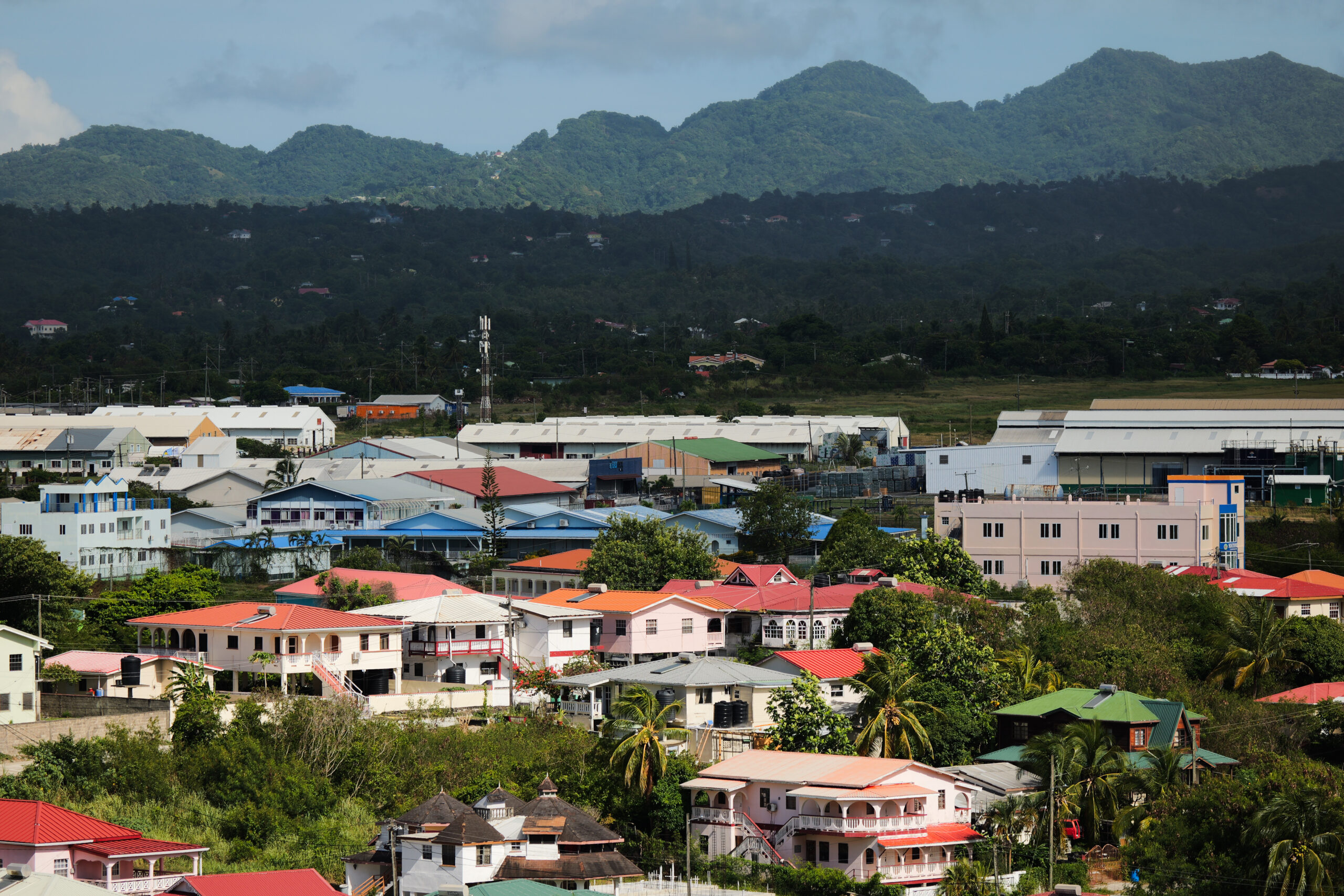
Foreign buyers have added to the issues, bringing what Raoul described as “unrealistic prices” to some neighbourhoods. He says, as landlords took on large mortgages against inflated valuations, they passed those burdens down the chain. Even when markets cooled, rents rarely followed.
The government has tried to ease one pressure point by suspending VAT on construction materials until 2025, arguing that cheaper inputs will encourage building, in hopes it may help at the margins, but rentals are only half the story.
The other half is ownership. The dream of buying land or a home is one that feels increasingly distant to many. The 2022 census found 65.7 per cent of households owned their homes, suggesting stability for many, but for those still searching, the market is tightening.
A financial professional who oversees property loans at a local bank said prices are being pulled higher by Saint Lucia’s growing international profile. “Saint Lucia is becoming more of a household name,” he said, asking for anonymity. He cited the citizenship programme, luxury tourism, and celebrities posting about the island as factors all feeding into demand and cost.

The 37-year-old entrepreneur told St. Lucia Times he could only purchase land on his second attempt just a few months ago, nearly two decades after he first tried. “Back then, I couldn’t afford it. Later, I had to focus on business, on a car loan, on just staying afloat. It took years before I could think about land again.” To him, the purchase was less about prestige than survival. “I don’t want to be in retirement and still paying rent.”
Last year, the government promised new developments under its “Year of Infrastructure,” with funds from the Citizenship by Investment Programme going towards affordable housing. Projects have been earmarked for Rock Hall, Cas en Bas, Massacre, and Dennery, with plans to transition squatters into homeowners. This latter plan has already begun moving forward in communities like Eau Piquant, Augier, and Pomme.
But even official reports acknowledge that supply alone will not fix the problem. Unless incomes rise or housing costs fall, the dream of a detached home will remain out of reach for the majority.
In the meantime, Saint Lucians weigh their options — downsizing, moving to the island’s peripheries, or delaying independence altogether. Scroll through the rental pages again, and the tension is always there; new listings boasting modern finishes and “quiet neighbourhoods,” against comments from others asking, “Anything available for $1 000?”
One question continues to linger: Is housing within reach?




Coupled with mass migration this issue plagues many countries around the world. You would be surprised to note that the global fertility rate is inverse proportional to the cost of rent/homes. Politicians keep yapping about the fertility rate but they do nothing about the cost of living. Rent/Home ownership is the largest part of any ones salary and if they cannot afford to have a safe place to grow a family then chances are, they wont. The politicians and the elite are greatly invested in real estate, will they go against their own interests for the sake of us all? Why dont more people invest in companies/businesses which actually make things instead of homes/rentals which should be a right to everyone.
As a landlord, what do people and the government expect! Home insurance has gone up by about 25% over the past 2 years….this increase was automatically passed on to tenants….simple!