
At first glance from the main road, Monier Terraces and Ma Kanna Heights in Monier, Grand Rivière look like quiet hillside communities. But if you look closer, you’ll find many homes spread out along winding roads that twist through the area like a maze.
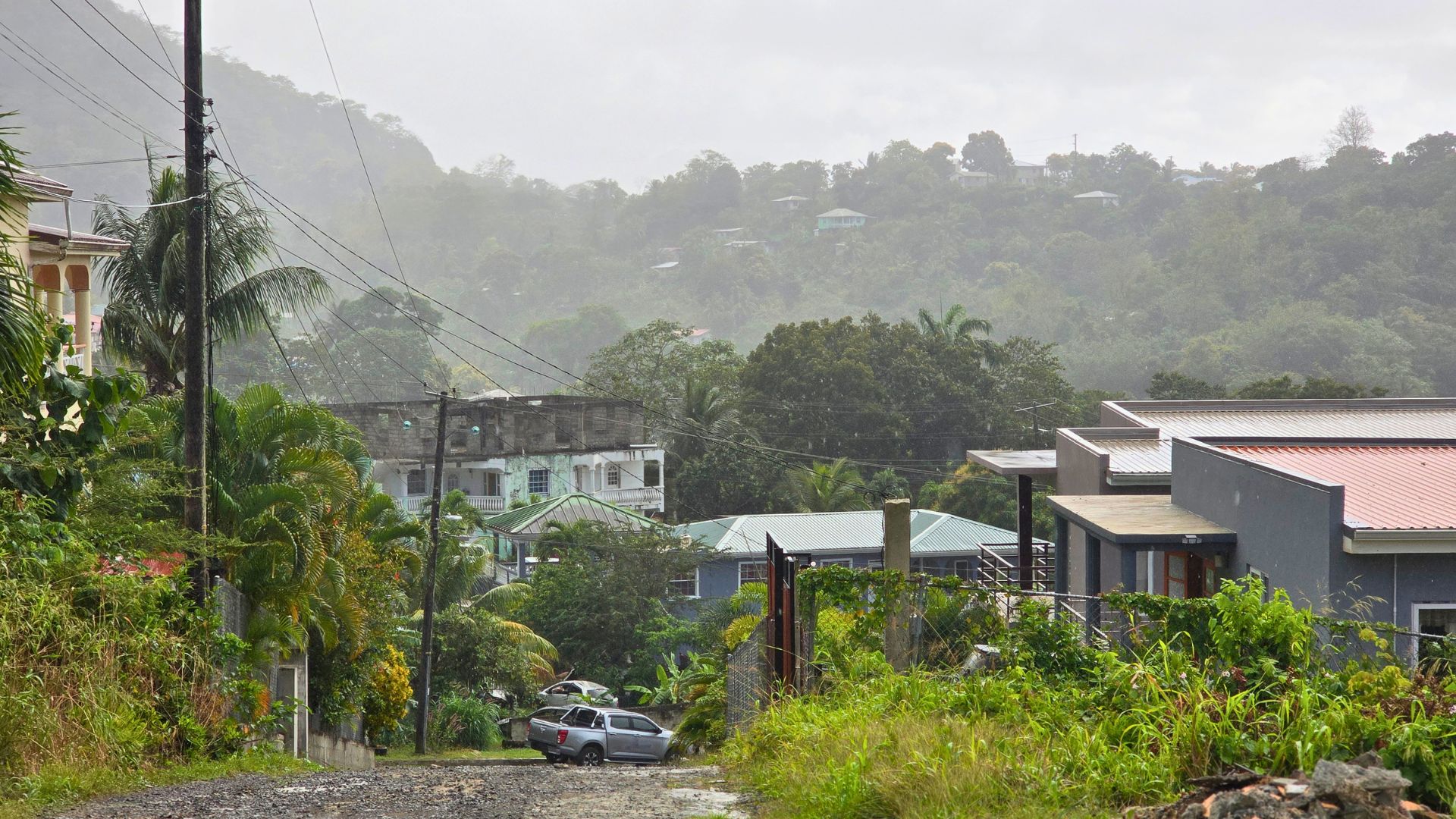
Like many communities across Saint Lucia, residents here depend on the Water and Sewerage Company’s (WASCO) supply for potable water. But it is unreliable, especially during the current dry season.
For Monier and other small communities within the Grand Rivière area, the situation is serious. Residents say they have spent years adapting to a reality where water is not only scarce but also where the reasons for the lack of access are shrouded in inconsistent information and uncertainty about long-term solutions.
One resident travelling up the road to his home in Monier Terraces explained that it had been a month since water supplied directly by WASCO had flowed through his pipes. He believes the issue is tied to topography.
“Well, what WASCO is saying is that when they send water, those who are at the bottom will receive but those at the high elevation, we’re not getting, and that’s the problem; I live on top of the hill.”
WASCO has said before that homes higher up the hills have extra challenges. When water comes back after a break, the system needs time to build up enough pressure to reach those homes. But people living lower down often start using water right away, filling tanks and catching up on chores like laundry, which makes it even harder for water to reach the top.
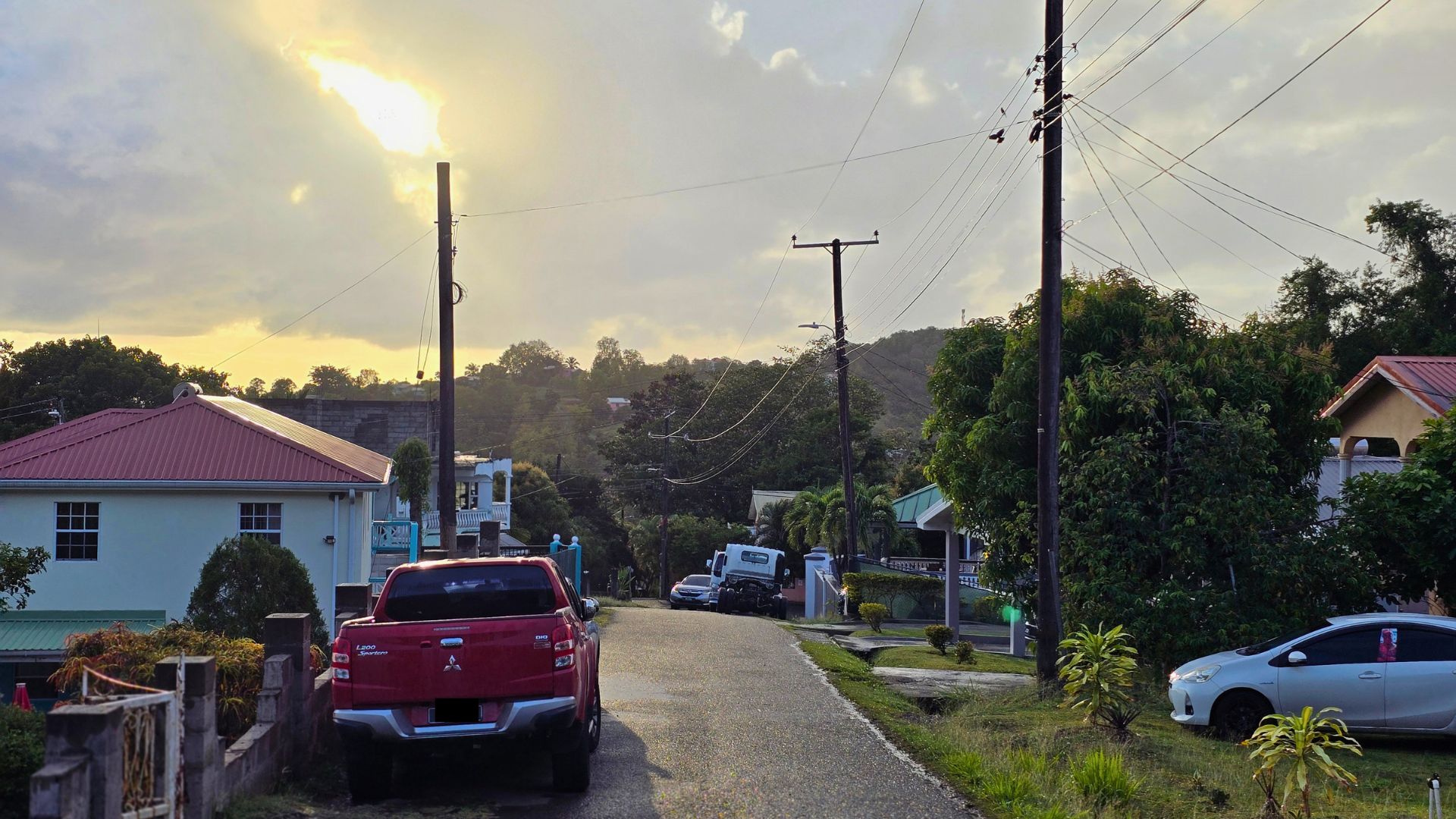
The resident shares that he lives with his wife, and when the shortage exceeds a month and their storage runs dry, they rely on alternatives.
“We go and take water by the river or by the tap by Grand Rivière gap, or, sometimes I take it from the tap where I work… nobody wants to do that, but you don’t have a choice.”
Canice John has a similar experience. He lives at the top of a hill on an adjacent lane in Ma Kanna Heights. Five other families rent from him, which makes water shortages even harder to manage. He says that even when WASCO supplies water, it usually lasts only a couple of days.
“I would send a message to all the tenants saying the tanks are full so they can wash, and all of a sudden, everybody starts washing, but [WASCO] takes the water right after. That happens to us often.”
Additional questions arise about the sporadic water supply in a nearby section of Monier Terraces, where one resident said his household and three nearby neighbours receive water, while others do not, even those living directly next door.
“We got water just about two days ago, but most of the residents here, I think, are on a different connection… probably from Hill 20.”
Next door, a mother and daughter confirmed that their supply is different from that of their neighbours. They are currently tapping into their personal storage.
“We have barrels, buckets, bottles. When everything inside is done, then we have one tank. When it’s done, we have to call WASCO.”
Some residents recall water was trucked into the area for those who ran out, though not always promptly. For others, like John, even that presents challenges, as narrow, unpaved roads make it difficult for large delivery trucks to access.
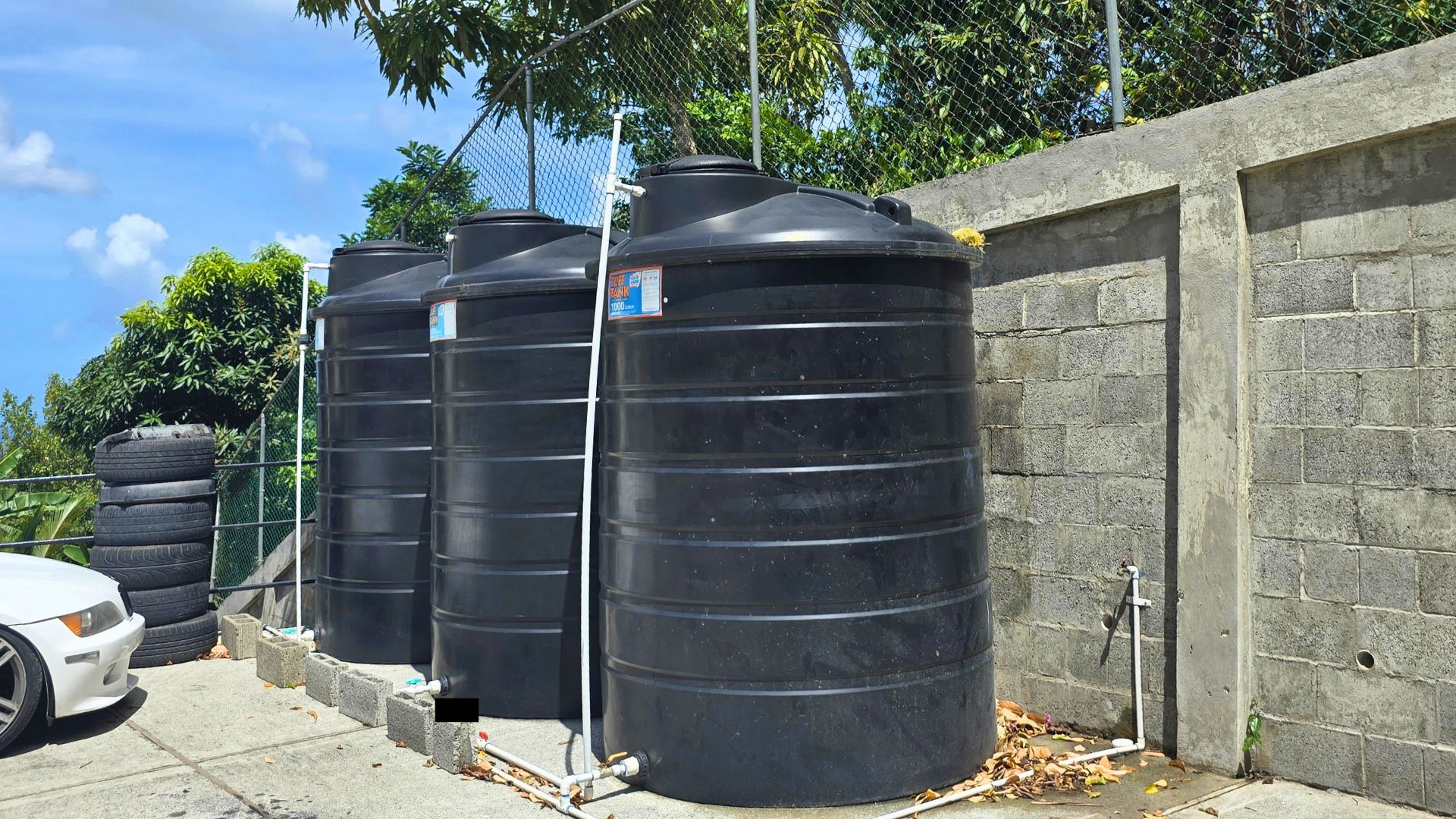
John has had to adapt over time. He initially installed three tanks with a combined capacity of 2 600 gallons. He has since added another and plans to install two more.
Unlike the more common housing designs in Saint Lucia, where roof runoff is easily captured, the modern design of his complex channels drainage through internal systems, leaving limited access for rainwater harvesting. Still, John says he intends to utilise a small external pipe to capture and store rainwater.
He is also exploring installing additional storage tanks on a nearby undeveloped lot, pending the owner’s permission, to better support his tenants.
WASCO and the government have said they plan to fix old pipelines, and the Prime Minister has talked about collecting more rainwater. But residents say they still have not heard clear or direct plans for long-term solutions in their area.
“We get those general bulletins, nothing specific to this area, and nobody offers any explanation until you call them, and they will give you conflicting information,” John said.
For residents who can afford it, there is little choice but to continue investing in personal adaptation.
Christopher Alexander, who lives alongside another road in Ma Kanna Heights, says he, too, has adjusted over time. He has purchased multiple tanks, including one capable of storing 1 000 gallons of rainwater.
Alexander believes increased development in the community is linked to additional strain on an already fragile water supply system. He remembers that when he first moved to Monier, far fewer homes lined the road to his property.
However, he takes a more optimistic tone, saying he believes the solution to the area’s water challenges lies in a comprehensive plan.
“It’s a great problem – and I know we have WASCO woes,” said Alexander. “When we’re building houses right now, there are certain planning prerequisites that persons should have.”
Alexander thinks that if more homes could collect rainwater, it would help take some pressure off the system. But he says any lasting solution will require a coordinated effort among the government, consumers and WASCO.
WASCO did not respond to questions about the pipeline network in Monier or any long-term plans for the area before this story was published.