
Saint Lucian football fans have always viewed the FIFA World Cup from the outside looking in. Because the “Helen of the West” has never been represented on the sport’s grandest stage, followers of the game have adopted other countries as their own, backing them based on their style of play and the quality of their players.
But what would it take to get Saint Lucia to the World Cup? The answer may lie in the pathway taken by fellow CONCACAF competitors like Jamaica, Haiti, and Curaçao.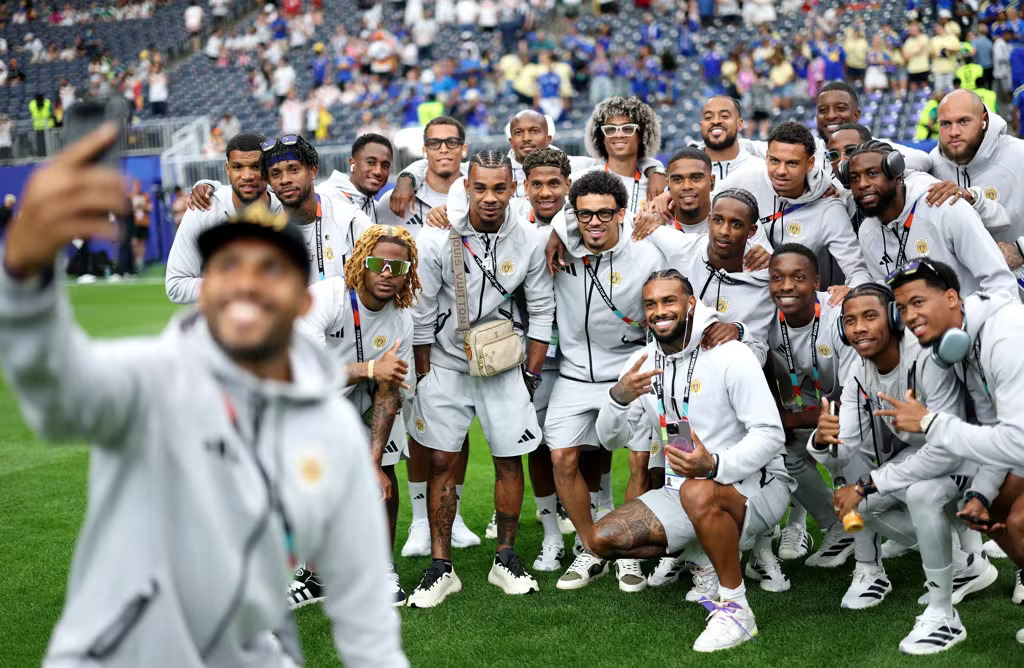
Playing in their first-ever World Cup tournament this year, Curaçao officially entered the Guinness World Records as the smallest nation by population ever to qualify for and play in a FIFA World Cup, boasting a population of only 156 115 inhabitants at the time of their historic qualification. Despite a thumping 7-1 defeat against Germany in their opener, simply making it to the World Cup finals is a massive accomplishment for the former Dutch territory.
What is most interesting about the Curaçaoan model is that the vast majority of the players for “The Blue Wave” were not born on the island. In fact, out of the official 26-man roster, only one player was born in Curaçao, while the rest of the team was born in the Netherlands.
Curaçao is an autonomous constituent country within the Kingdom of the Netherlands, and the national team relies almost entirely on its massive European diaspora. The squad is primarily built around players who were born, raised, and trained within the elite Dutch football system but chose to honour their deep island roots at the senior international level.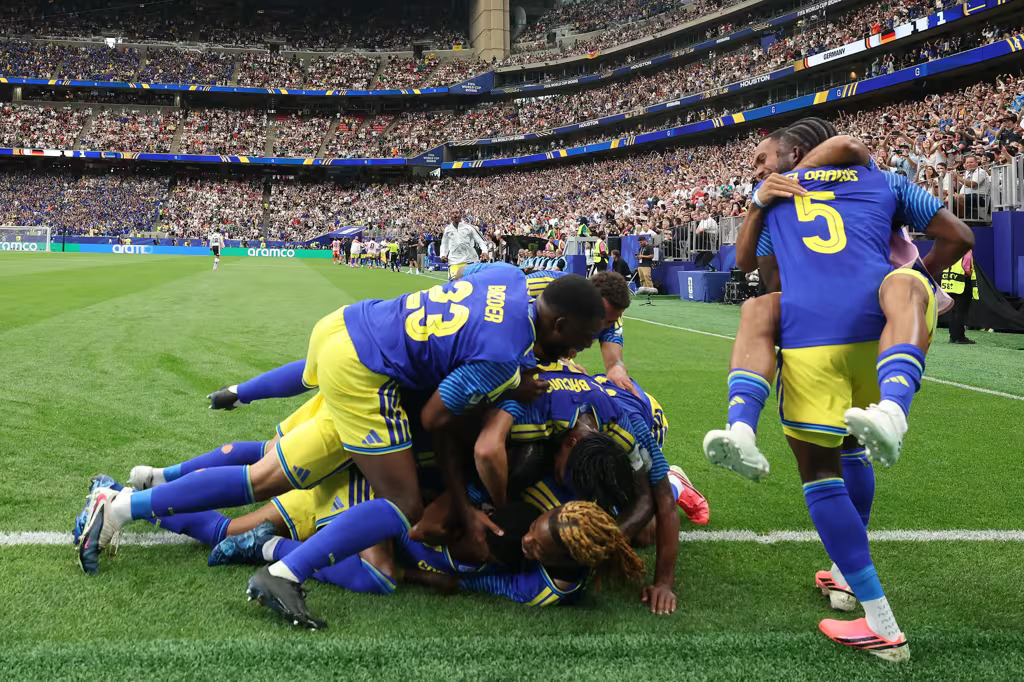
In this regard, Minister for Youth Development and Sports Kenson Casimir was asked whether Saint Lucia and other smaller nations could follow a similar model—linking up with talented players from the diaspora to bolster their chances of making it to the World Cup and other major tournaments.
Casimir believes that legislative and structural changes could be the way forward for Saint Lucia.
“Curaçao did a lot of work in bringing their generations, second and third generation footballers from the Dutch Antilles… and recruiting them. So by the time they came back to play in Saint Lucia, they pretty much had a professional set-up that Saint Lucia was just not ready for…” he said of Curaçao’s performance during the CONCACAF qualifiers.
“The scoreline will tell you 7-1 is not a good result, but their style of play, you can see there are concerted efforts to follow a structure, follow something that is guiding them along the way…”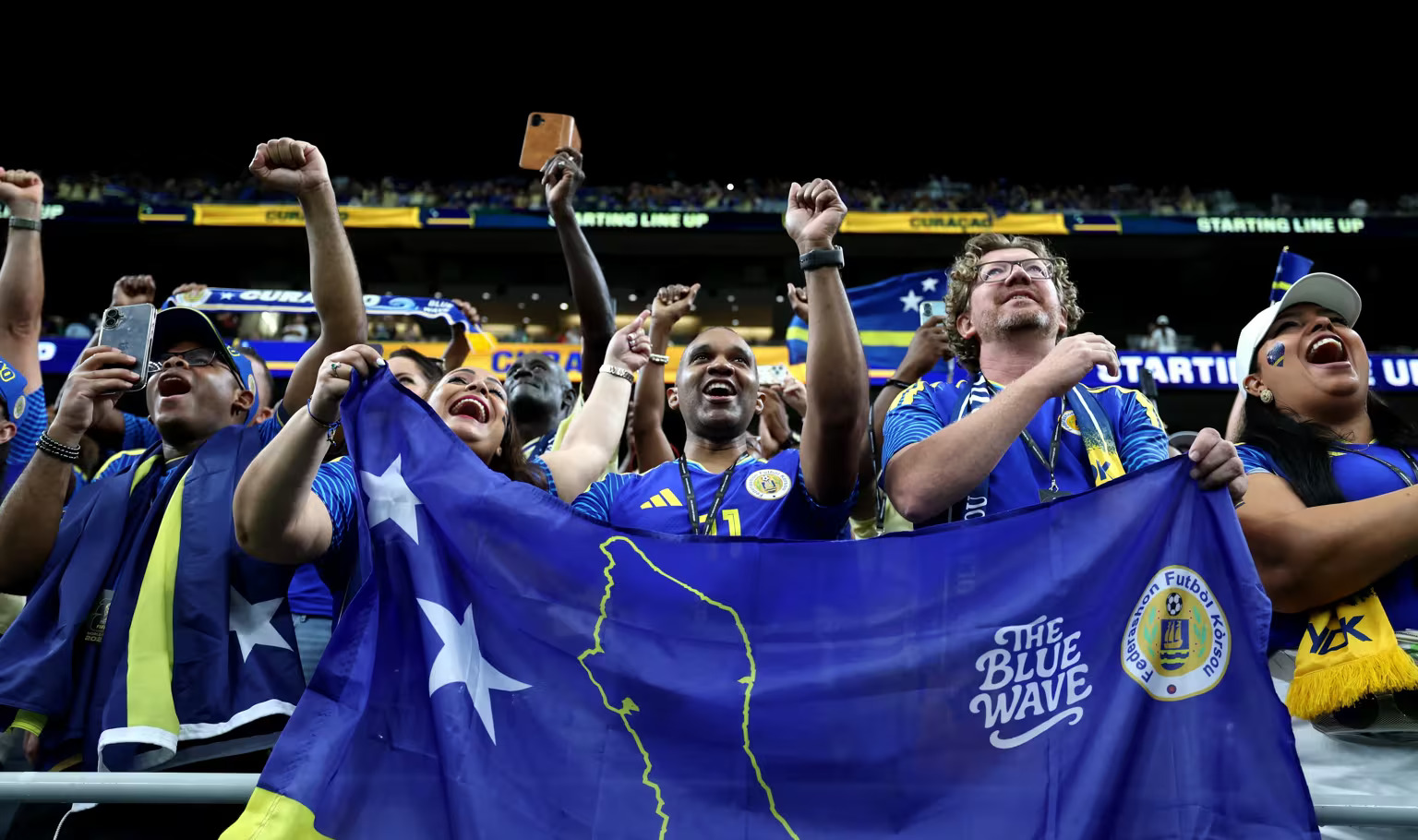
“As a Minister of Sport, I was extremely jealous, and I pretty much got up the following morning thinking that we definitely need to do more by way of legislation to be able to attract more of our second and third generation footballers who are in England, who are in different parts of Europe, and, of course, South America and North America.”
FIFA’s Article 7 states that any player who was not born in a territory must meet at least one of four criteria to be eligible to play for that country:
- Parental lineage
- Grandparental lineage
- Residency (naturalisation)
- Early residency
Several Caribbean territories, Saint Lucia included, rely heavily on their diaspora in sports. Jamaica did so when qualifying for the World Cup, as did Haiti this year.
Curaçao’s trajectory toward the World Cup was initiated by former Barcelona and Netherlands striker Patrick Kluivert, who is of Surinamese and Curaçaoan heritage. Kluivert took over the national team setup in 2015 (and later returned for a brief interim stint in 2021), utilising his household status to attract high-profile talent.
A similar approach has been taken by other smaller nations, such as Trinidad and Tobago’s hiring of Dutch manager Leo Beenhakker (the former Real Madrid and Netherlands boss) in 2005 when their World Cup qualifying campaign was in jeopardy.
Casimir believes that big names can cause a similar wave, whether on the touchline or on the pitch.
“[Arsenal FC player] Myles Lewis-Skelly, everybody knows, is Saint Lucian. He’s of Saint Lucian heritage, so can you imagine another nine or ten players on his level playing for Saint Lucia? We probably would have beaten Curaçao, we would have been Saint Lucia playing in that tournament.”




The minister have not said anything that gives me confidence. He needs to be more robust and positive than that.How about setting up a proper Professional league where the players can be paid decent wages? There is talent in St Lucia and if you had a professional league you could easily find the players who can take the island to the World Cup.
Why do you have to depend on players from overseas who will not be giving their “All” to play for the country. These players from overseas will only play for you if they don’t get picked by their respective national teams. Most of them have huge egos and attitude. I cannot see that boy mentioned in the article ever wanting to play for St Lucia… Not even if he is rejected by England.
I am urging you to start putting things in place from now on Mr Minister if St Lucia is to play in the next World Cup in 2030 in Portugal. Put the league in place, get a good coach and players who are up to the task. Good strong positive players with a optimistic mindset… Play friendlies with other islands and countries.Get cracking and St Lucia will get there….