
From pooled buying to a home ownership readiness centre, a GGGI symposium looks at how Saint Lucia and its neighbours can tackle housing pressures together
Building a home in Saint Lucia is getting harder, and the same is true across the Eastern Caribbean. Construction costs are climbing, partly because of import bottlenecks stemming from global geopolitical conflicts. Land is becoming scarcer and more expensive, and intense storms keep barreling through the region. Housing has become an urgent, complex and unavoidable issue.
Saint Lucia’s 2022 census found that nearly two-thirds of households, 65.7 per cent, own their homes. But a similar reality could be far-fetched for those still trying to get in. The island’s minimum wage is $1 131 a month, while many rental listings, even for one-bedroom apartments, start well above that.
A particular concern is how lower-income households are coping with climate adaptation in housing, especially when post-storm figures are so stark. Following Hurricane Beryl in 2024, the OECS reported that 60 per cent of homes in Grenada’s Carriacou were damaged or destroyed, while 90 per cent of homes on Union Island, in Saint Vincent and the Grenadines, were severely damaged or destroyed.
Those shared pressures were the focus of a symposium held on Tuesday, November 17, at the Harbor Club, where the Global Green Growth Institute (GGGI) brought together housing ministry representatives from across the Eastern Caribbean, architects, designers, construction companies, financial institutions, development funders and representatives of the Organisation of Eastern Caribbean States (OECS). Saint Lucia was one of several countries at the table, alongside Grenada and Saint Vincent and the Grenadines, with additional speakers from Honduras and France. One of the key takeaways from GGGI’s Regional Symposium on Resilient, Green and Affordable Housing was a call for regional cooperation, since the challenges each island faces closely resemble one another.
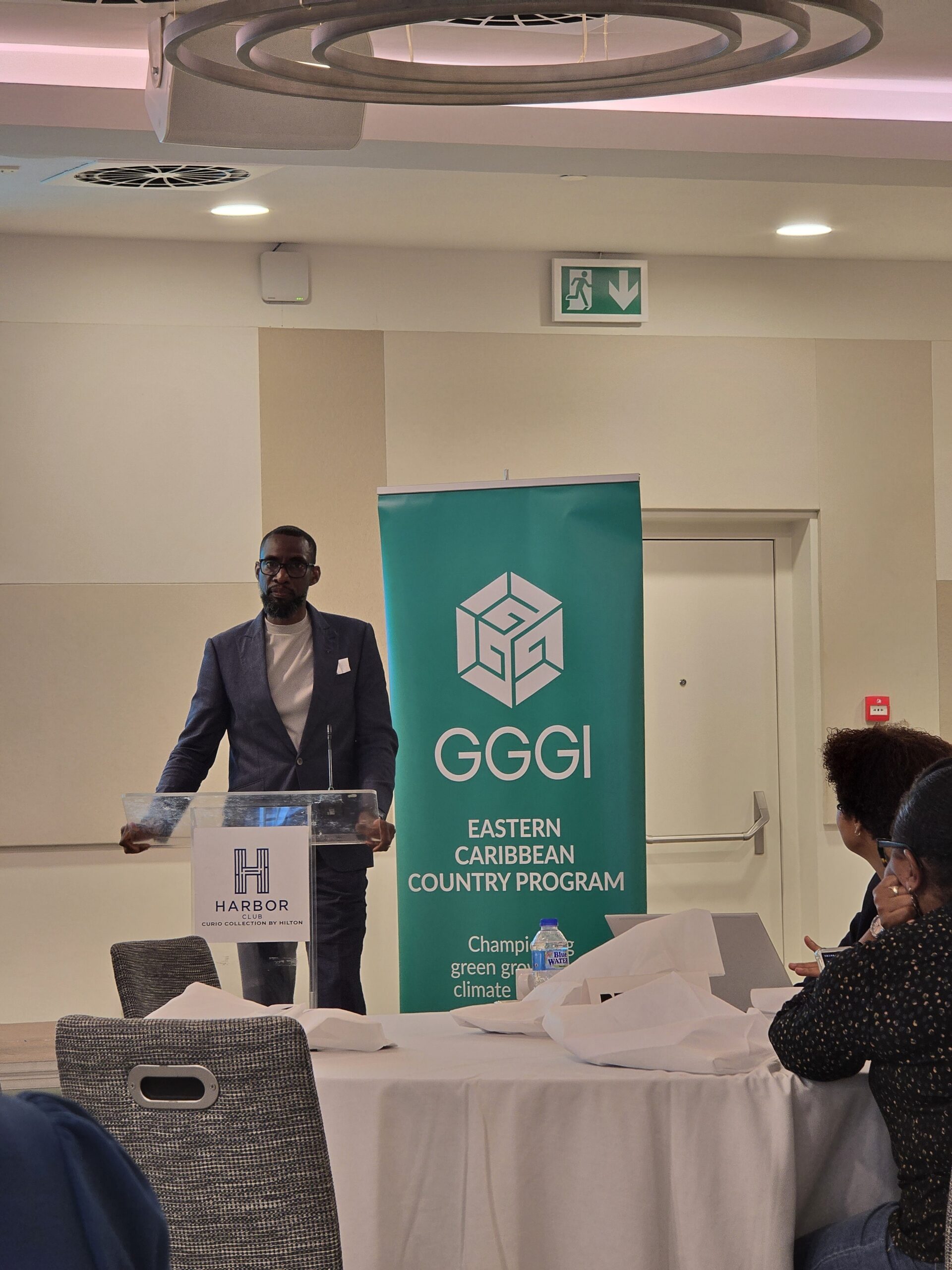
Dornette Hull, Permanent Secretary in Saint Vincent and the Grenadines’ Ministry of Housing, Land Management, Urban Development and Informal Settlement Upgrading, said the small island states of the Eastern Caribbean have an opportunity to share technical expertise, mobilise financing and adopt building standards that can help address common housing challenges.
“We may have a little difference in our accent, you know, but, we basically have the same challenges; [like] limited resources…,” Hull said. “We can all work together to deliver a better housing product for our most vulnerable communities…”
Lower costs
Among the solutions put forward was a pooled procurement approach, proposed by OECS Interim Head of the Environmental Sustainability Division Susanna De Beauville-Scott. Under such an approach countries can combine orders which can give them more bargaining power and lower prices than each island buying on its own.
Participants also stressed that price reduction efforts must go beyond lowering the cost of construction materials.
Earlier access to home ownership and financial planning information
Cornelius Sidonie, Managing Director at the Saint Lucia Development Bank, highlighted a need for countries to invest in financial readiness centers built solely to prepare people for home ownership as early as possible.
The proposal speaks to a common problem: many people do not know where to start, or were never taught to plan for home ownership at a young age.
Clearer standards
GGGI consultant Colin John Jenkins outlined a regional resilient housing guideline being developed to determine what a home must include to be deemed climate resilient. The guideline responds to the absence of a clear definition of the term, which leaves buyers and builders without a common standard.
A shared set of challenges
The symposium also showed how closely the challenges facing housing sectors across the region resemble one another. Beyond limited access to affordable options and low financial readiness, participants pointed to a shortage of housing options, a lack of available land on some islands, and a growing need to turn policy into tangible, measurable results.
These shared challenges are seen as a breeding ground for collaboration.
“We don’t have to have one design to suit all but we can have multiple designs that meet the same resilience criteria and we can share resources in terms of expertise across the OECS member states who are doing this,” said OECS Director General Didacus Jules.
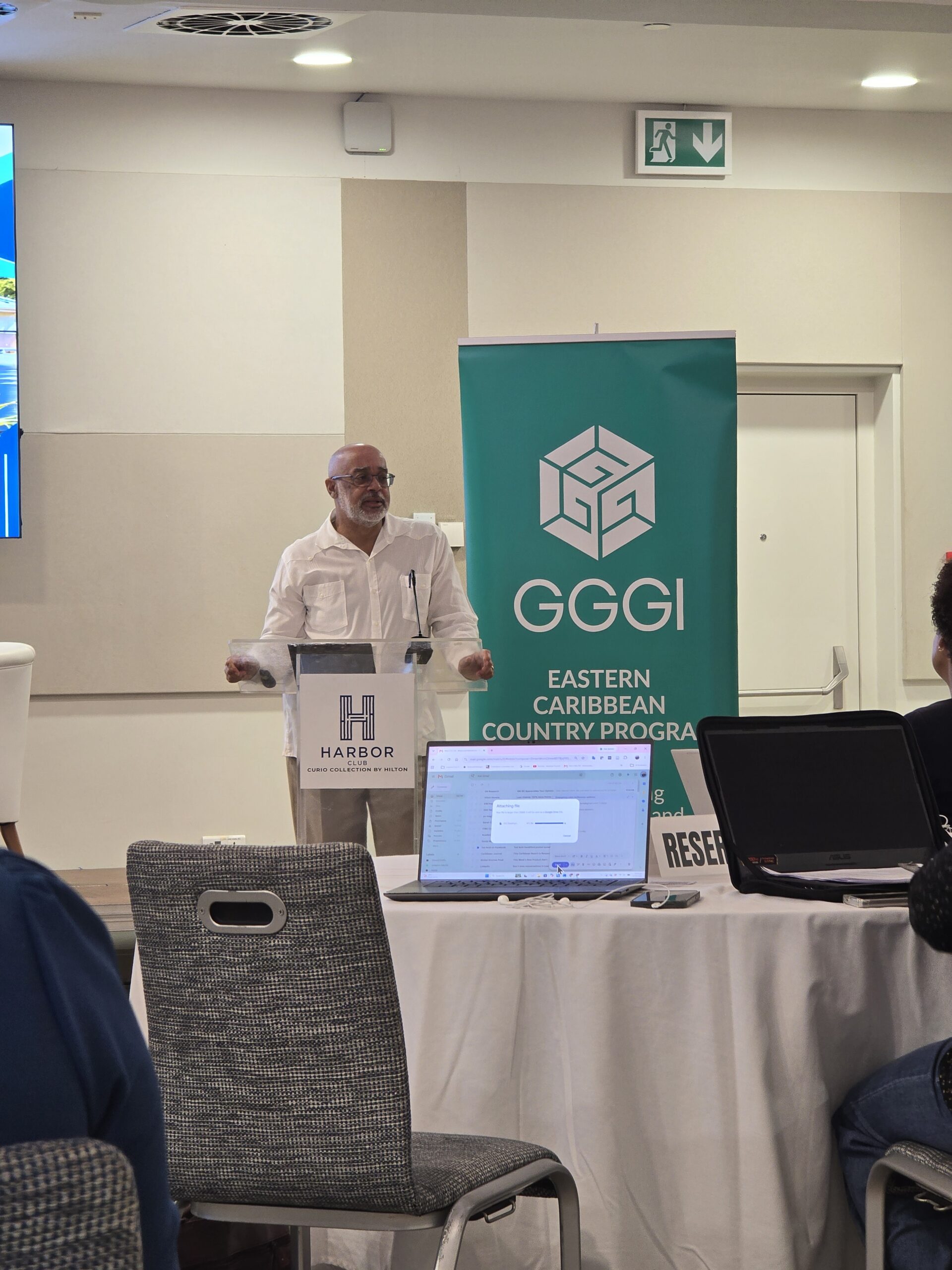
The OECS is helping to facilitate the work of organisations like GGGI, which are addressing housing concerns across the region with climate in mind.
“…. A lot of the bureaucracy involved needs to be streamlined so that what is important is delivery of resilient houses especially for low income people at affordable prices or subsidized where possible so that we can survive these storms,” Jules told St Lucia Times.
More behind the effort
Through funding from donors like Agence Française de Développement (AFD) and the Government of Ireland (Department of Foreign Affairs and Trade), this week’s symposium was one of several steps in GGGI’s efforts to support the region’s climate housing push.
“Our mission is very simple; to support our member and partner countries to transition to a low carbon environmentally sustainable and socially inclusive economy,” said Daniel Muñoz-Smith, GGGI’s Country Representative in Saint Lucia during his symposium address.
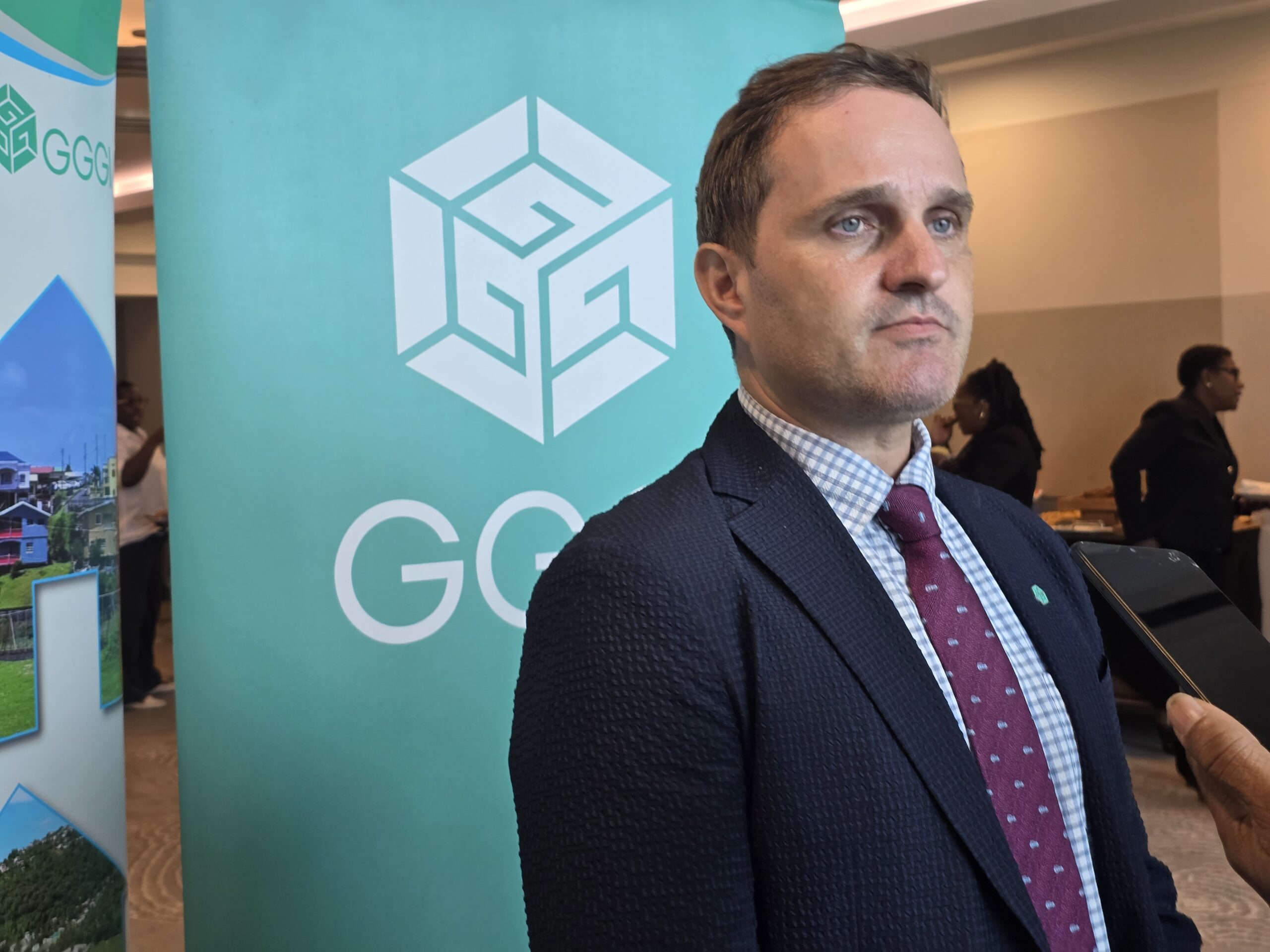
Working alongside the OECS, GGGI is advancing the Scaling-up Resilient Green Affordable Housing project (CAR027), which builds on the Balata pilot in Castries to establish climate-resilient housing standards and financing across Saint Lucia, Grenada and Saint Vincent and the Grenadines.