
Saint Lucia’s sea moss farmers and exporters are urging authorities to speed up efforts to regulate and standardise the fast-growing industry, warning that the country’s once-premium product is losing value amid weak oversight and intensifying competition.
Sea moss fit for consumption exports have brought in millions of dollars for the island in recent years — $6.4 million in 2021, $4.3 million in 2022, $5.2 million in 2023, and $5.6 million in 2024, according to data from the Department of Statistics. The figures reflect a market that continues to expand globally, yet local producers say that growth hasn’t come without challenges.
“When I started promoting Saint Lucian sea moss back in 2017, 2018, I always had in mind that we were selling a product that was unique,” said Nemrod Biscombe, owner of Seamoss Life Inc. and one of the early players credited with helping the product gain international recognition. “We started off selling a premium product — US$21, $22, sometimes $23 per pound. Now, people are selling at $6. So, from a premium product to just another ordinary one.”
Biscombe says the island’s sea moss industry, praised for its clean, mineral-rich waters and artisanal harvesting methods, has been devalued, as more suppliers entered an unregulated market causing prices to plummet and quality to slip.
He believes the solution lies in collective pricing and stronger regulation.
“I called for one national association where farmers would sell at a fixed price — say $20 per pound — to protect the farmers and the industry. That would stop exporters from undercutting each other,” he said. “These are the issues responsible for the fall of the industry.”
Push for standardisation
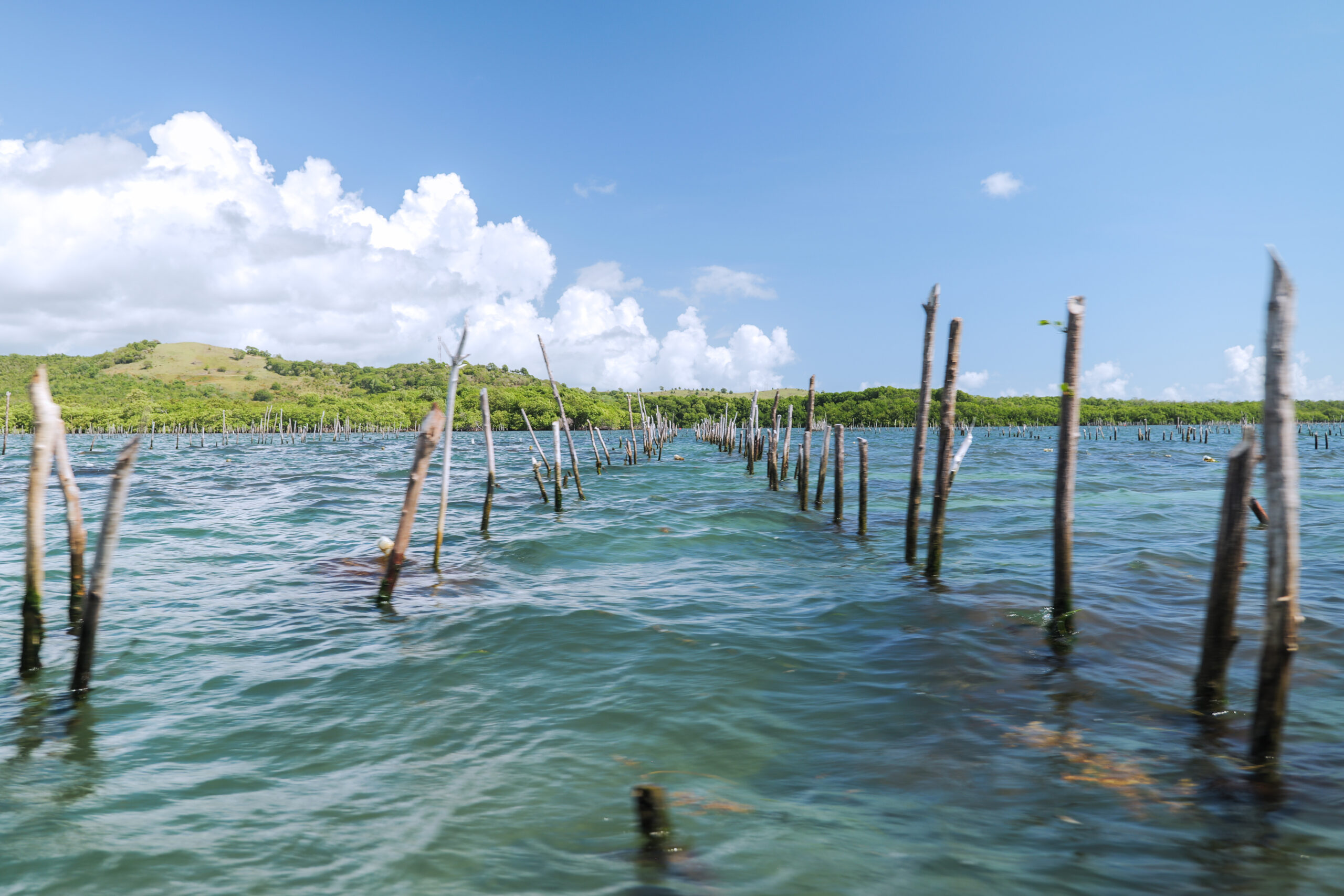
Others in the business share similar concerns.
Lilian James, co-operator of a sea moss exporting company, says while Saint Lucia’s product still holds a strong reputation, there’s “a long way to go” in improving how it’s cultivated and processed.
“From planting to exporting, everything needs to be standardised,” James said. “Before, farmers were just doing anything — no process, no legislation. Now, the authorities are making an effort, but there’s a lot of work left to do.”
Farmers and exporters have noted the industry has grown rapidly over the past five years, and some of the more experienced feel that newer entrants have been less careful with farming practices, often taking risks that could affect overall quality and sustainability.
Last year, Export Saint Lucia introduced a certification requirement for exporters aimed at improving quality control and helping the island meet international food safety standards.
A growing but fragile market
According to Jerson Badal, former programme manager at Export Saint Lucia, the industry’s expansion, though dramatic, has not been seamless. He recalls that around 2016, sea moss exports were worth only about $50 000 a year. A US export development programme launched the following year led to a 1 000 pound order, which was considered large at the time and marked a turning point.
Sea moss exports then saw a greater expansion during COVID.
“Sea moss consumption tripled during COVID,” Badal said, as global demand surged for what many believed could help boost immunity. “Saint Lucia contributes less than one per cent of global production, but it has built a marketing story around quality — the best sea moss in the world, coming from clean volcanic waters.”
But Badal also cautions that cooperative structures, once seen as a solution for farmers, often falter due to internal mistrust and blurred responsibilities, making them an unreliable tool for helping the local industry grow and adapt.
“When cooperatives start handling marketing and distribution, you get issues of trust — ‘Why is your sea moss selling before mine?’” he said. “Private sector companies have now taken over that role more efficiently.”
Government action and setbacks
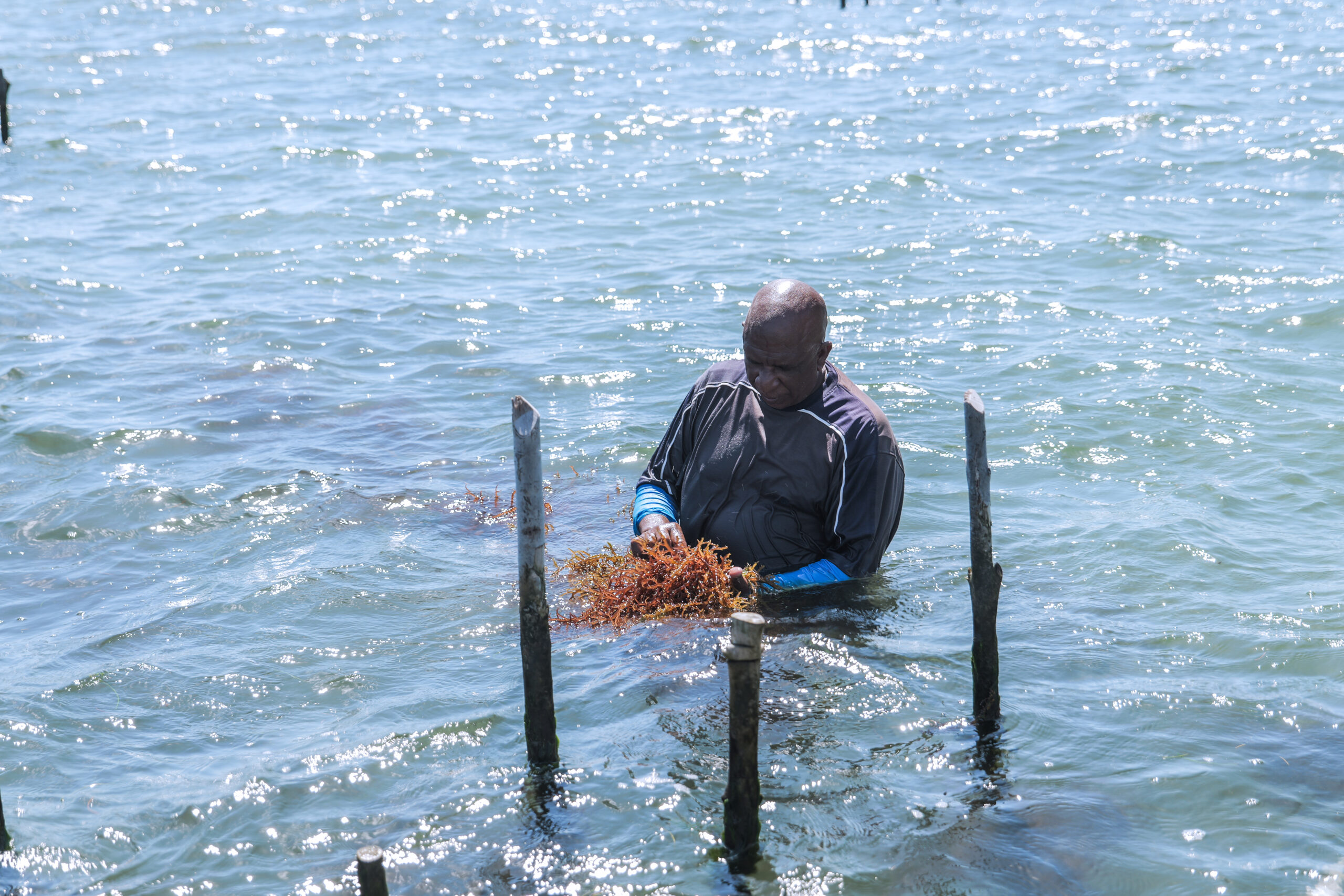
The government has made moves to support the industry, including duty-free concessions for farmers and an ongoing project to map and regulate coastal farming zones. Once completed, the project will introduce a management system for sea moss farms and designated areas for fishing and beach access. Still, many farmers say progress has been slow.
Kerwin Samuel, president of the Eau Piquant Sea Moss Farmers Association and owner of Total Health Foods Ltd, says the lack of regulation has left farmers vulnerable to theft and environmental threats.
“During COVID, we had a lot of people stealing sea moss from farms,” Samuel said. “We met with the government and asked them to put measures in place to secure farm areas — it took a lot of time, and even today, those measures are not there yet.”
Samuel believes the industry’s legal framework needs urgent updating.
“We need to amend the acts to include sea moss farmers,” he said. “Farming sea moss is hard labour — it’s not like planting bananas. You’re in the sea, dealing with sharks and dangerous conditions.”
Environmental challenges add to the strain. Rising ocean temperatures and seasonal invasions of sargassum seaweed have slowed growth rates, reducing yields.
An industry at a crossroads
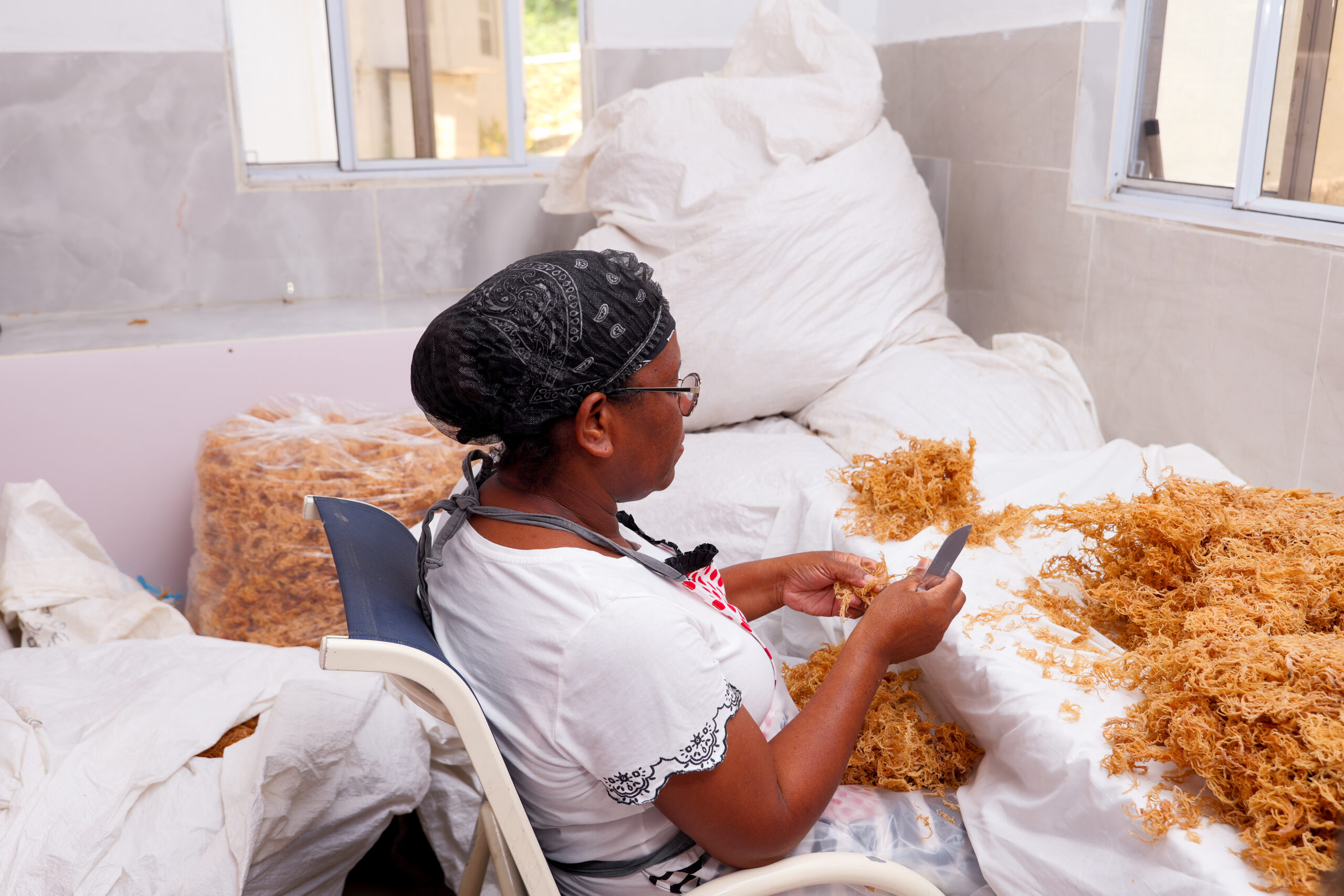
For now, sea moss is still one of Saint Lucia’s most promising exports. Although tariffs have been imposed by the country’s greatest market, the United States, exporters continue to navigate using price adjustments, and maintaining other key markets like Canada, the UK, other parts of Europe, and Australia.
Yet stakeholder consensus is clear: without a unified regulatory framework, the island risks losing its hard-earned reputation and economic potential.
“The awareness is there, the demand is there,” said James. “But if we don’t fix the system — if we don’t standardise — it’s only a matter of time before we lose what makes Saint Lucian sea moss special.”




Ms. Nelson, I would like to commend you on consistenty producing well-written articles. Your articles are well beyond just headlines and the details and supporting information reflect the work you put into your writing. Good job and keep elevating.